

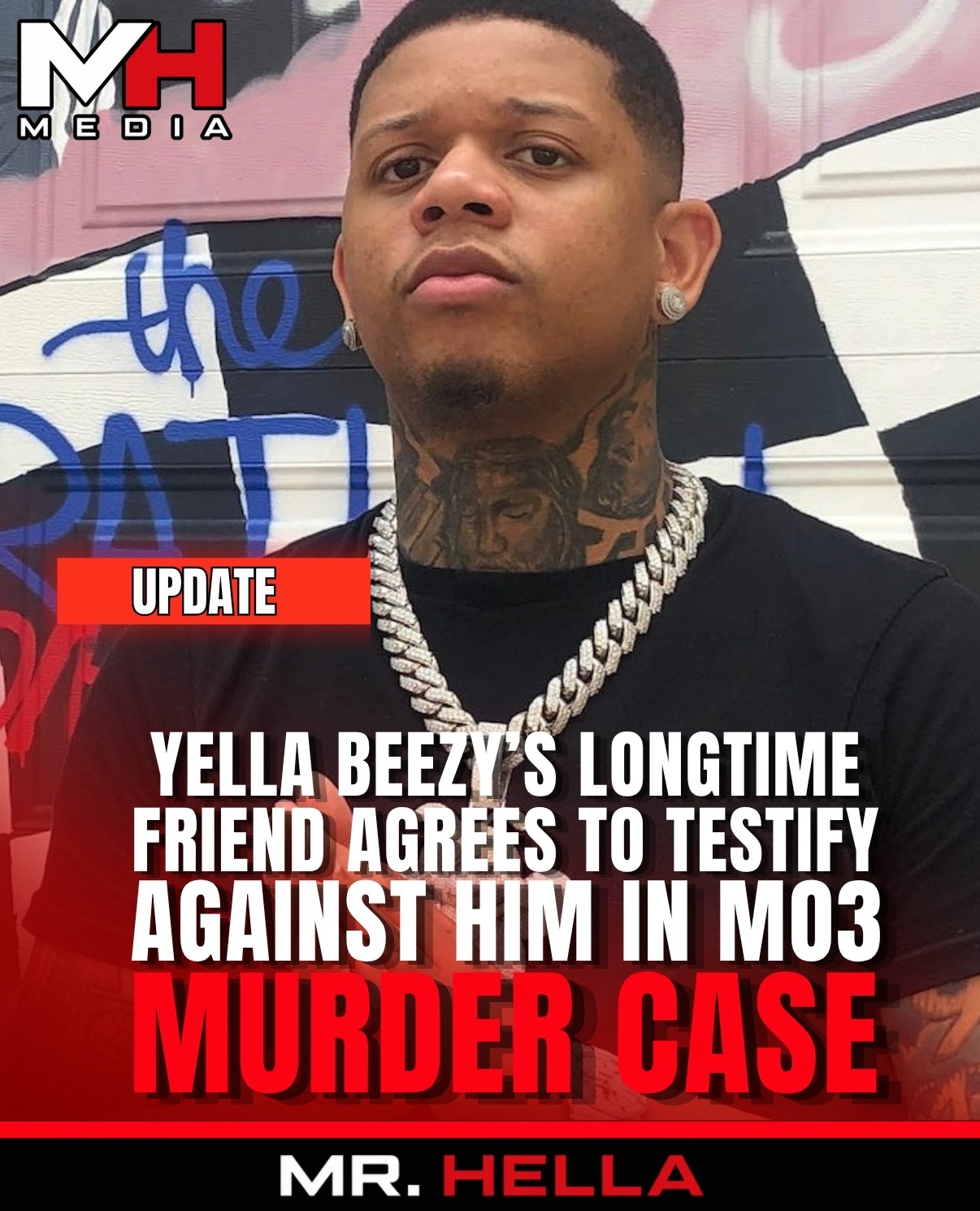
Yella Beezy’s Longtime Friend Jose Bodega Reportedly Agrees to Testify Against Him in MO3 Murder Case
A potentially major development has emerged in the capital-murder case against Dallas rapper Yella Beezy, with a longtime friend and fellow rapper reportedly agreeing to cooperate with prosecutors ahead of Beezy’s upcoming trial over the 2020 killing of rapper MO3.
Courtroom reporting from an October 6 hearing indicates that Theodore Thomas, better known in Dallas music circles as Jose Bodega, has entered a cooperation agreement and is expected to testify against Beezy. The development could introduce a significant new witness into a prosecution that has already attracted national attention because of the allegations surrounding one of Dallas hip-hop’s most notorious killings.
For prosecutors, the prospect of testimony from someone who reportedly had a longstanding personal relationship with Beezy could be important. A witness familiar with the defendant’s inner circle may be positioned to describe relationships, conversations or events that investigators believe are relevant to the case. However, the specific substance of Thomas’s anticipated testimony has not yet been publicly established in the information available.
The reported agreement does not establish Beezy’s guilt, nor does it reveal whether Thomas possesses firsthand knowledge of an alleged murder-for-hire arrangement. Those questions will be central to evaluating his credibility and the importance of his testimony if he takes the witness stand.
A Major Development Ahead of Beezy’s Trial
Yella Beezy, whose legal name is Markies Conway, is facing a capital-murder charge in connection with the November 11, 2020, killing of MO3, born Melvin Noble.
Prosecutors have alleged that Beezy arranged for MO3 to be killed, an accusation that Beezy has denied. He has pleaded not guilty.
The case concerns a deadly shooting that occurred in broad daylight on Interstate 35E in Dallas, where MO3 was pursued and shot after leaving his vehicle. The attack shocked the city’s music community and intensified scrutiny of rivalries within the Dallas rap scene.
For years, questions surrounding the shooting generated rumors and accusations online. The criminal proceedings have since brought specific allegations into court, where prosecutors must prove their case with admissible evidence rather than speculation about conflicts between artists.
Thomas’s reported decision to cooperate could become particularly important because he is described as someone with a longstanding connection to Beezy, rather than a witness who encountered the rapper only briefly.
But the distinction between knowing a defendant and possessing evidence of a crime remains critical. The jury will ultimately have to assess what Thomas actually knows, how he learned it and whether his account is supported by other evidence.
Who Is Jose Bodega?
Theodore Thomas, professionally known as Jose Bodega, is a Dallas rapper associated with the same regional hip-hop environment in which Beezy established his career.
His reported friendship with Beezy makes the cooperation agreement especially notable. Criminal prosecutions involving alleged conspiracies can depend heavily on witnesses who had access to private conversations and relationships that investigators could not otherwise reconstruct.
That does not mean Thomas necessarily witnessed criminal planning or participated in it. The scope of his involvement, if any, and the information he intends to provide have not been established by the reported hearing development alone.
The nature of his cooperation agreement also matters.
Such agreements can involve negotiated legal benefits in exchange for truthful testimony or other assistance, although the specific terms of Thomas’s reported arrangement have not been confirmed here. If he receives any benefit, defense attorneys may seek to use that information to challenge his motives and reliability before a jury.
That could make his testimony one of the most closely scrutinized portions of the trial.
The Killing That Shook Dallas Hip-Hop
MO3 was 28 years old when he was killed on November 11, 2020.
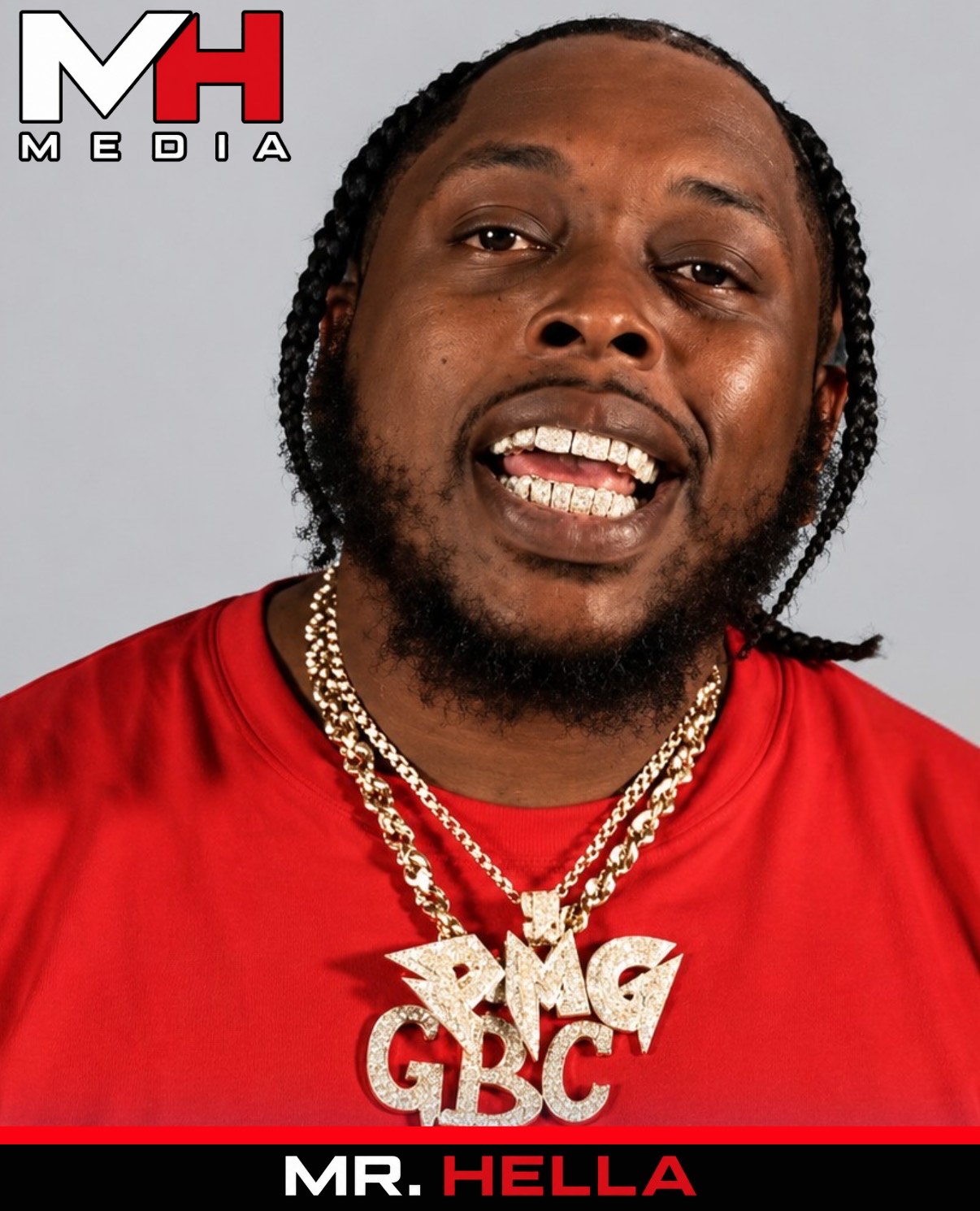
The rapper had developed a substantial following through emotionally charged street records, melodic performances and songs that connected strongly with listeners across Texas and beyond. His music, including collaborations with Boosie Badazz, helped establish him as one of Dallas’s most recognizable emerging artists.
On the day of his death, MO3 was driving along Interstate 35E when an armed attacker approached him in traffic. MO3 exited his vehicle and attempted to escape on foot before being shot.
Another motorist was also wounded during the incident.
The circumstances of the attack — a pursuit and shooting on a busy highway in daylight — made it one of the most widely discussed crimes involving a rapper that year.
Authorities subsequently identified Kewon Dontrell White as the alleged gunman. The investigation and subsequent court proceedings continued for years, with prosecutors eventually bringing a separate case against Beezy over his alleged role in arranging the killing.
The distinction between the accused shooter and an alleged organizer is central to the prosecution. Beezy is not accused of personally firing the shots that killed MO3. Instead, the state’s case concerns whether he was criminally responsible for allegedly arranging the attack.
That is the allegation prosecutors must prove beyond a reasonable doubt.
The Federal Plea Deal Could Become a Major Issue
The October 6 hearing offered an early indication that Beezy’s defense intends to challenge not just Thomas’s potential testimony but also the circumstances under which he agreed to cooperate.
According to courtroom journalist Bryson “Boom” Paul, defense expert Julianna Moore testified that Thomas had faced federal sentencing exposure of up to 151 months in a separate criminal case. Thomas ultimately pleaded guilty to a drug-conspiracy charge, while a gun charge against him was dismissed.
Moore described the outcome as a substantial benefit. She also testified that a plea supplement connected Thomas’s cooperation to the case against Beezy. <Cite refs={[“turn128131news0”,“turn128131search3”]}/>
This is potentially significant because the defense may argue that Thomas has a powerful incentive to provide testimony prosecutors consider useful.
That argument does not automatically make his testimony false. Cooperation agreements are common in criminal prosecutions, and witnesses who receive benefits can still provide truthful, important evidence.
But the benefits must be considered when evaluating credibility. A jury may be asked to weigh whether Thomas is providing an accurate account or whether his own legal interests could influence what he says.
For Beezy’s attorneys, that question appears likely to become a major part of their trial strategy.
Judge Pushes Back on RICO Threat Claims
The hearing also produced a notable exchange over whether Thomas had been threatened with additional federal charges.
According to Paul’s courtroom updates, Beezy’s defense attempted to suggest that Thomas had faced the possibility of a RICO charge.
Judge Chika Anyiam sustained prosecutors’ objections and instructed attorneys to avoid speculation.
Moore subsequently testified that no RICO allegation appeared in the federal plea agreement or sentencing materials she had reviewed.
That distinction is important.
The defense can question whether Thomas received favorable treatment in exchange for cooperation, but it cannot simply assume that prosecutors threatened him with charges unsupported by the record.
The exchange also suggests that Judge Anyiam intends to closely supervise how the parties present allegations about witness pressure and cooperation agreements.
Jose Bodega and Yella Beezy Have Recorded Music Together
Thomas’s connection to Beezy goes beyond simply being part of the Dallas music scene.
Performing as Jose Bodega, Thomas collaborated with Beezy and fellow Dallas rapper Trapboy Freddy on the song “Tool On Ya,” which appeared on I’m My Brother’s Keeper.
That musical history helps explain why Thomas’s expected testimony is attracting so much attention.
In a case involving allegations of a paid killing, prosecutors may consider testimony from someone within a defendant’s social or professional circle particularly useful.
However, the existence of a musical collaboration is not evidence of criminal conduct. It establishes a connection between the artists, not what Thomas may know about MO3’s killing.
Until Thomas testifies, the public does not know precisely which conversations, events or alleged arrangements prosecutors expect him to describe.
Prosecutors Allege a $40,000 Murder-for-Hire Plot
The central accusation against Beezy is that he paid Kewon White $40,000 to kill MO3.
White was convicted of capital murder on September 4, 2026, and sentenced to life in prison without the possibility of parole.
But White’s conviction did not resolve the separate question of whether Beezy arranged or financed the shooting.
That issue remains contested. <Cite refs={[“turn128131search5”,“turn128131search9”]}/>
Prosecutors must establish Beezy’s alleged involvement independently, using evidence admissible in his own trial.
Thomas’s anticipated testimony could become part of that effort, depending on what he says.
The Convicted Gunman Has Denied Being Paid by Beezy
One of the most complicated aspects of the case is that White himself has publicly disputed the alleged payment arrangement.
After receiving his life sentence, White gave an interview in which he denied being paid to kill MO3.
“I didn’t get paid to do nothing, bro,” White said.
He also rejected the suggestion that he was trying to protect Beezy, saying he was responsible for his own choices and intended to tell the truth.
Those statements create an obvious point of tension with the prosecution’s theory.
White’s denial does not establish that Beezy was uninvolved. Equally, White’s conviction for MO3’s murder does not prove that Beezy hired him.
If Thomas provides testimony supporting prosecutors’ murder-for-hire allegations, jurors could be confronted with conflicting accounts involving people connected to the case.
The credibility of those accounts — and any independent evidence supporting them — could prove decisive.
Another Cooperating Witness Has Already Entered the Picture
Thomas is not the only witness whose federal legal circumstances may come under scrutiny.
Cedric Bradley previously testified during White’s capital-murder trial about statements he said White made concerning MO3’s killing and an expected payment.
Bradley was also involved in a separate federal drug-conspiracy matter when he testified.
Beezy’s defense has shown interest in examining the circumstances surrounding cooperating witnesses and any benefits they may have received.
The possibility of multiple witnesses with federal agreements could create a complex credibility battle.
Prosecutors may argue that witnesses with different relationships to the people involved provide corroborating accounts.
The defense may argue that those witnesses have incentives to help the government.
Neither position can be resolved simply by the existence of cooperation agreements. The substance of the testimony, its consistency and the evidence supporting it will matter.
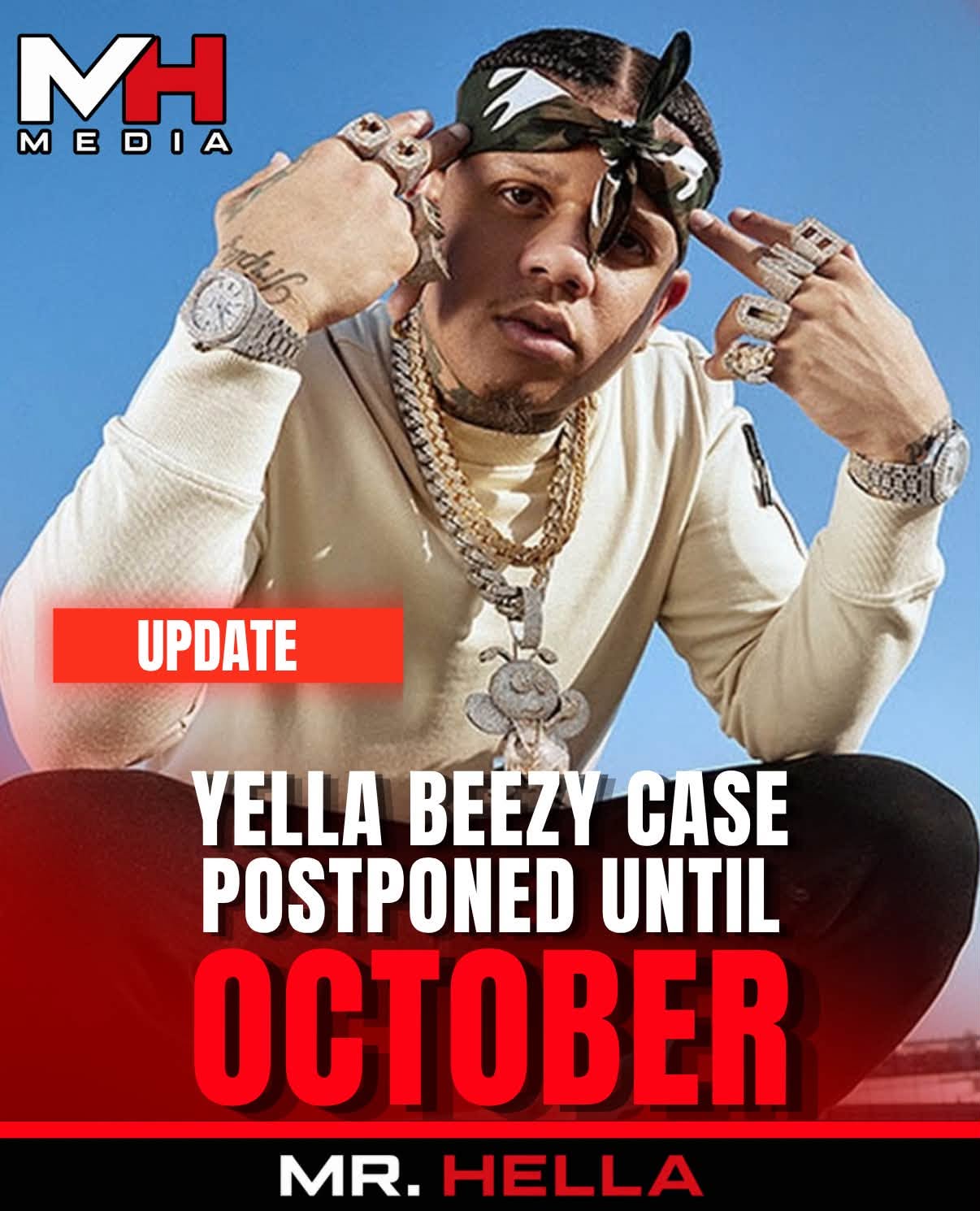
Why the Trial Was Delayed Until October 26
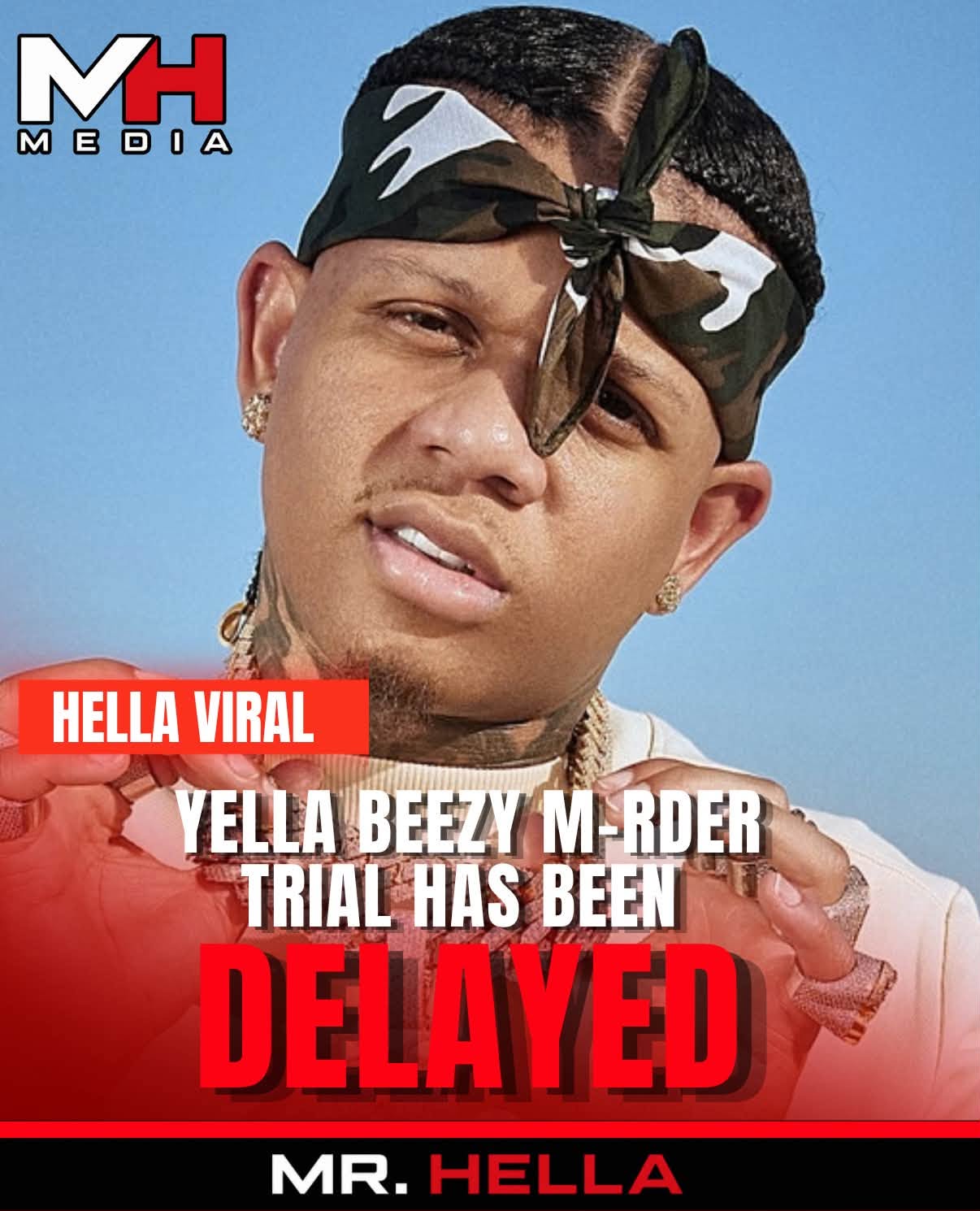
Beezy’s trial had originally been scheduled to begin with jury selection on September 14.
Judge Anyiam granted a continuance, moving jury selection to October 26.
The defense sought additional preparation time, including an opportunity to review the transcript and evidence from White’s recently completed trial. Attorneys also raised scheduling concerns involving a witness they wanted available. <Cite refs={[“turn128131search4”,“turn128131search9”]}/>
The postponement gave both sides additional time to prepare for a case that may involve substantial testimony from witnesses with connections to the Dallas rap scene and separate federal prosecutions.
The October 6 hearing suggests the defense is using that time to examine the cooperation agreements in detail.
By the time Thomas takes the stand, if he is called, Beezy’s attorneys may already have established a framework for questioning the legal benefits he received.
The Trial Could Turn on What the Witnesses Actually Know
The significance of Thomas’s reported agreement is not merely that a longtime friend may testify against Beezy.
The bigger question is what he can establish.
Does Thomas claim to have firsthand knowledge of an agreement involving MO3?
Did he personally hear relevant conversations?
Is he expected to describe the relationships among the people prosecutors believe were involved?
Or will his testimony focus on background information that investigators consider relevant to the alleged plot?
Those questions remain unanswered.
A witness with direct knowledge of a relevant conversation could have a very different impact from one who knows only what someone else allegedly said.
The defense would also have opportunities to challenge his recollection, motives and account of events through cross-examination.
What Happens Next
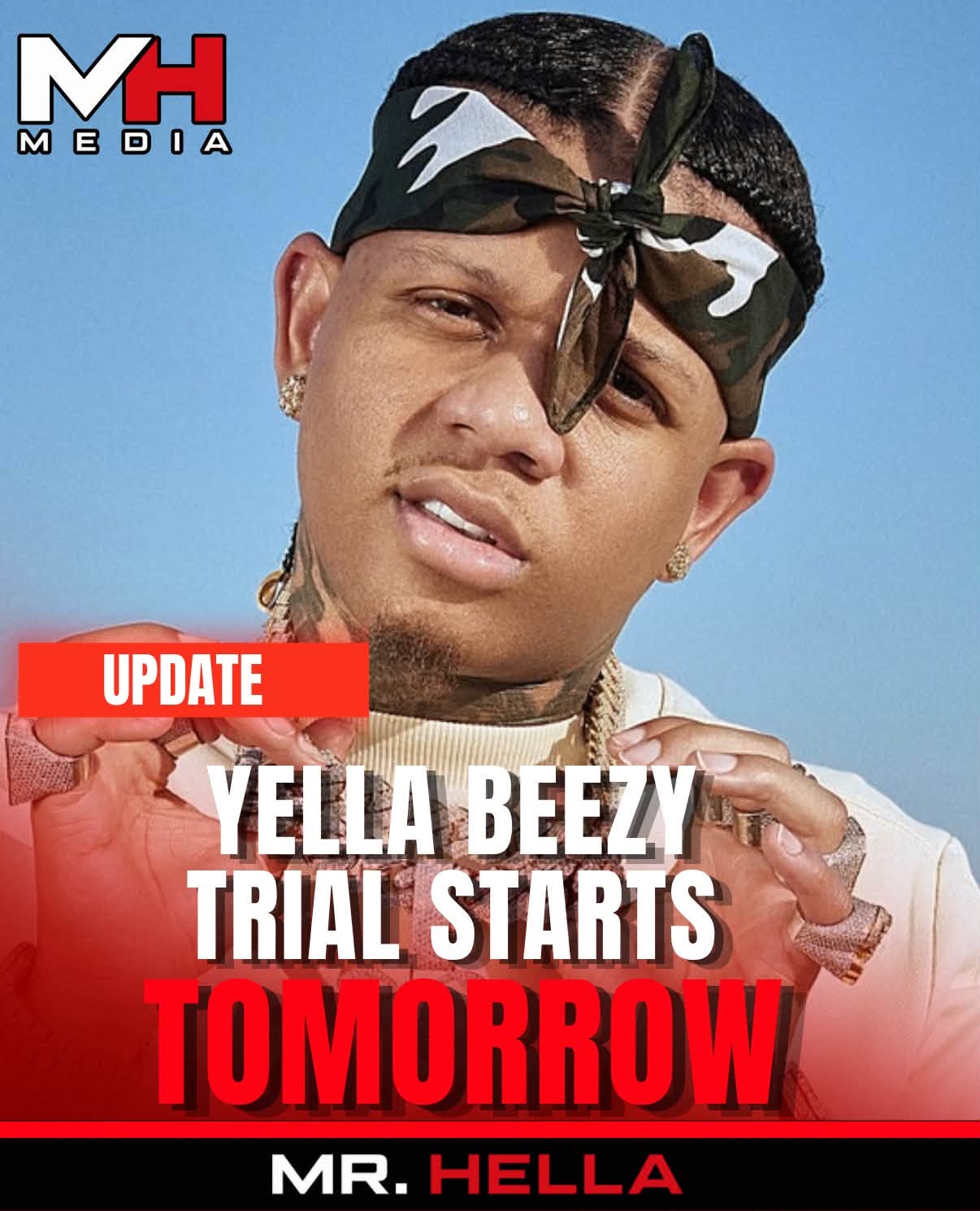
Jury selection in Beezy’s capital-murder trial is scheduled to begin October 26 in Dallas County, with Judge Chika Anyiam presiding.
The October 6 proceeding did not involve Thomas personally taking the witness stand against Beezy. Instead, Moore testified about the federal agreement and potential benefits associated with his cooperation.
Thomas is expected to testify during the upcoming trial, although the timing and full scope of his anticipated testimony remain uncertain.
For Beezy, the stakes are enormous. A capital-murder conviction could result in a life sentence, with the precise sentencing possibilities depending on the prosecution and applicable Texas law.
He remains presumed innocent unless prosecutors prove the charge beyond a reasonable doubt.
Nearly six years after MO3 was killed on a Dallas highway, the case is approaching another critical courtroom chapter.
The man convicted of pulling the trigger has denied being paid by Beezy. Prosecutors continue to allege a murder-for-hire arrangement. And now, according to courtroom reporting, one of Beezy’s longtime friends has agreed to become a witness against him.
Whether Jose Bodega’s testimony ultimately strengthens the prosecution’s case or provides the defense with an opportunity to challenge the reliability of cooperating witnesses will depend on what he actually says under oath.
But one thing is already clear: the circumstances surrounding his cooperation agreement are shaping up to be a major issue in Yella Beezy’s upcoming trial.
Comments