

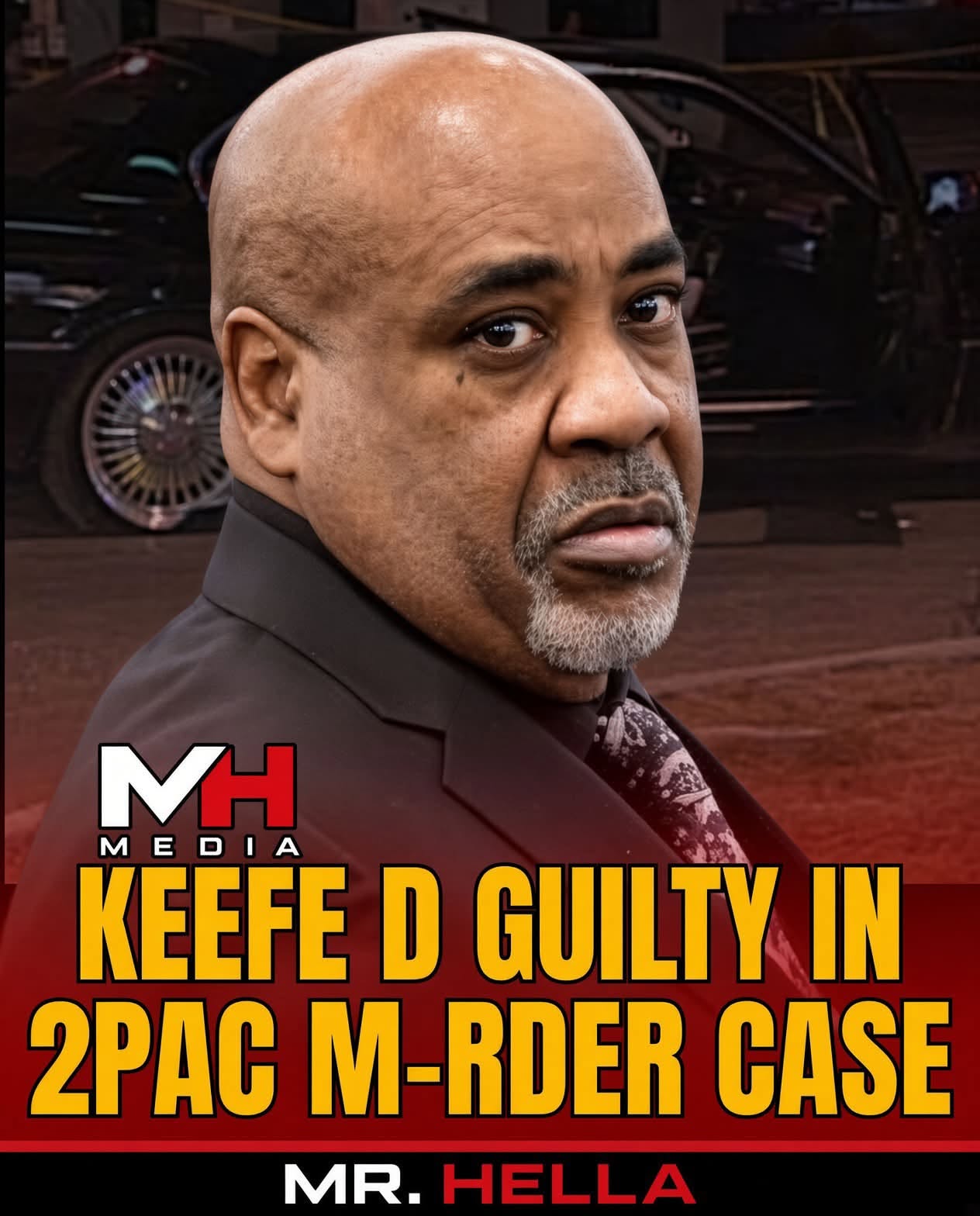
Nearly 30 years after Tupac Shakur was gunned down on a Las Vegas street, a jury has delivered the first murder conviction in one of hip-hop's most infamous killings.
Duane “Keffe D” Davis, the former Southern California gang leader who spent years publicly discussing his knowledge of the 1996 shooting, was found guilty Aug. 31 of first-degree murder with use of a deadly weapon in connection with Shakur's death.
The Las Vegas jury reached its verdict after roughly three hours of deliberations, concluding a weekslong trial centered heavily on Davis' own statements about the killing.
Davis, 63, is the only person ever prosecuted in connection with Shakur's murder—and now the only person convicted.
Prosecutors did not accuse Davis of personally firing the bullets that struck Shakur. Instead, they argued that Davis was the “shot-caller” who organized the retaliation that culminated in the drive-by shooting and provided the weapon used in the attack. Under Nevada law, prosecutors could pursue a murder conviction based on his alleged role in aiding and orchestrating the killing even if he wasn't the gunman.
A Killing That Haunted Hip-Hop for 30 Years
Shakur was shot Sept. 7, 1996, while riding in a BMW driven by Death Row Records co-founder Marion “Suge” Knight near the Las Vegas Strip.
Hours earlier, Shakur, Knight and members of their entourage had been involved in a fight at the MGM Grand with Orlando “Baby Lane” Anderson, Davis' nephew and a member of the South Side Compton Crips. Prosecutors argued that the shooting was retaliation for that confrontation.
A Cadillac later pulled alongside the BMW carrying Shakur and Knight, and gunfire erupted.
Shakur was struck multiple times and died six days later, on Sept. 13, 1996. He was 25.
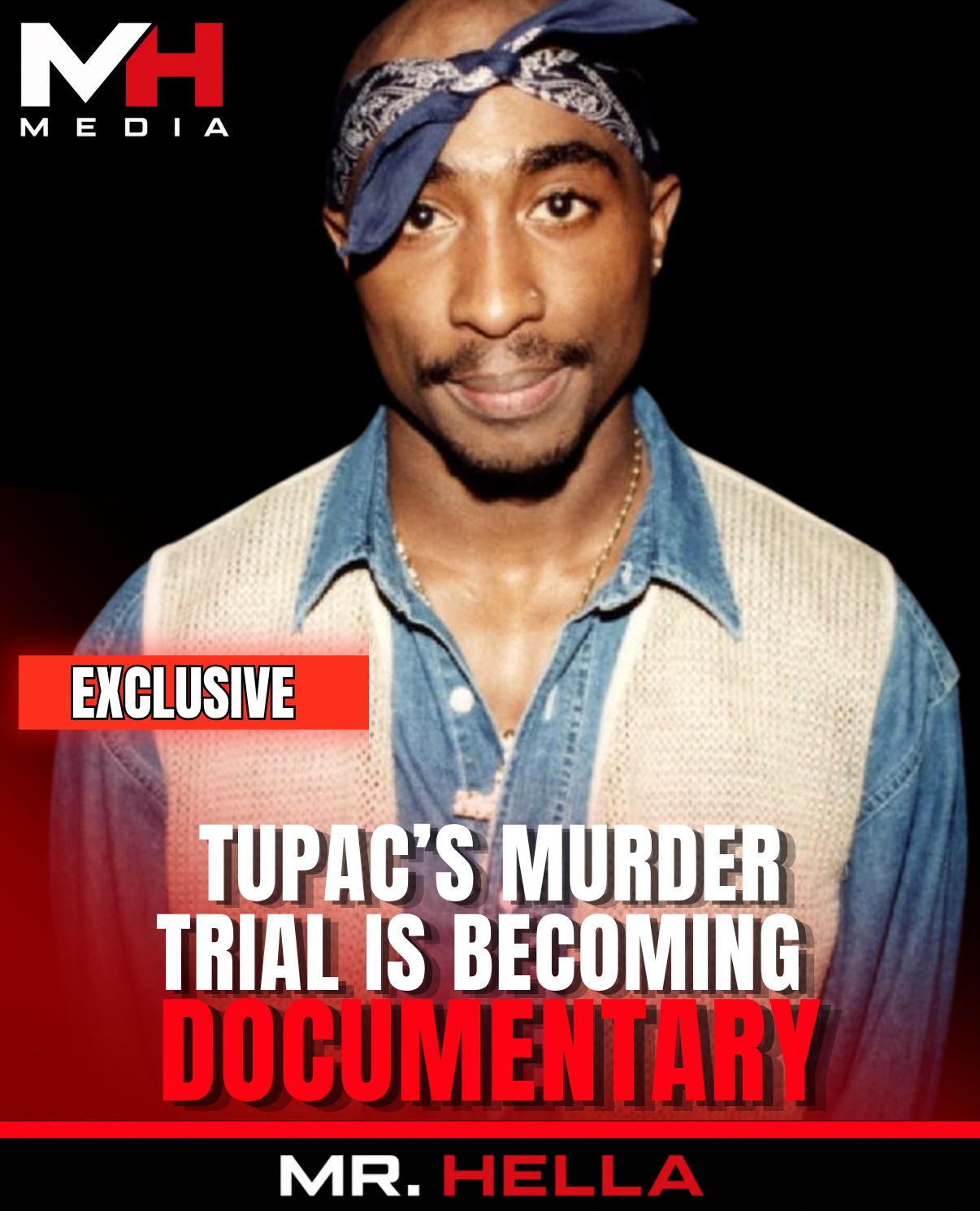
The killing became one of the most heavily scrutinized unsolved crimes in music history, generating decades of speculation, documentaries, books and conspiracy theories.
Yet no one was charged with Shakur's murder until Davis was arrested in 2023.
Keffe D's Own Words Became Central to the Case
Much of the prosecution's case revolved around something unusual for a decades-old murder investigation: the defendant had repeatedly discussed the killing himself.
Davis spoke about the events surrounding Shakur's death in interviews and in the 2019 memoir Compton Street Legend. Prosecutors argued those accounts contained admissions and details that could be corroborated by other evidence.
One particularly significant piece of evidence was a 2008 interview with law enforcement.
During that interview, jurors heard Davis identify his nephew, Orlando Anderson, as the person who fired the fatal shots. Davis also described being inside the Cadillac and passing a firearm toward the back seat before the shooting.
Prosecutors maintained that Davis' accounts placed him at the center of the retaliation.
His defense took the opposite position.
Attorneys argued that Davis had exaggerated or fabricated stories about the murder over the years for attention and financial gain. They also emphasized the absence of physical evidence directly tying Davis to the crime scene and questioned aspects of the decades-old investigation.
The jury ultimately rejected that defense.
The Only Man Prosecuted in Tupac's Murder
Davis' conviction carries unusual historical weight because the other three men authorities have associated with the Cadillac involved in the shooting are dead.
Davis has long acknowledged being inside the vehicle.
Prosecutors alleged that his position as a leader within the South Side Compton Crips made him more than simply another passenger. They portrayed him as the person with the authority to organize the retaliation after Anderson was attacked at the MGM Grand.
Davis showed little visible reaction as the guilty verdict was announced, according to the Las Vegas Review-Journal. Members of Shakur's family reacted emotionally inside the courtroom, with some holding hands and embracing prosecutors after the verdict.
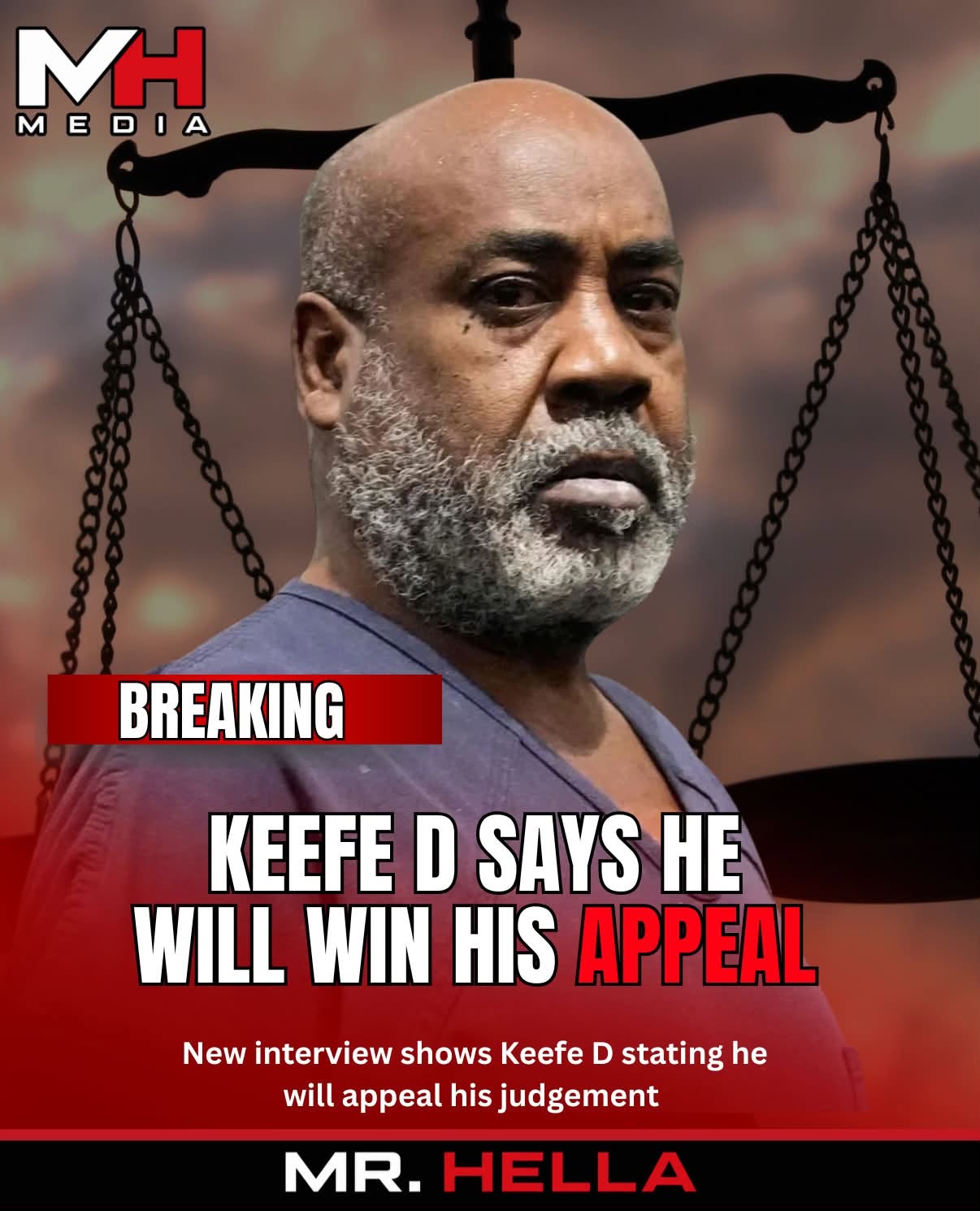
Davis indicated immediately afterward that he intended to appeal.
“I would like to appeal this matter,” he told District Judge Carli Kierny.
He was ordered held without bail, with sentencing scheduled for Oct. 13. Davis faces the possibility of spending the rest of his life in prison.
A Historic Verdict in Hip-Hop's Most Enduring Murder Mystery
For nearly three decades, Tupac Shakur's killing occupied a unique place in American popular culture.
The murder happened at the height of Shakur's fame and amid one of the most turbulent periods in hip-hop history. The lack of an arrest helped fuel years of theories about who ordered the killing, who fired the shots and why the case remained unresolved for so long.
Davis' public accounts eventually helped bring renewed scrutiny to a case that had spent decades without a prosecution. Prosecutors then used many of those same statements against him when the case finally reached a jury.
On Aug. 31, 2026, nearly 30 years after the Cadillac pulled alongside Tupac Shakur's BMW in Las Vegas, that jury reached a conclusion the criminal justice system had never reached before.
Someone had finally been convicted of Tupac Shakur's murder.
Comments