

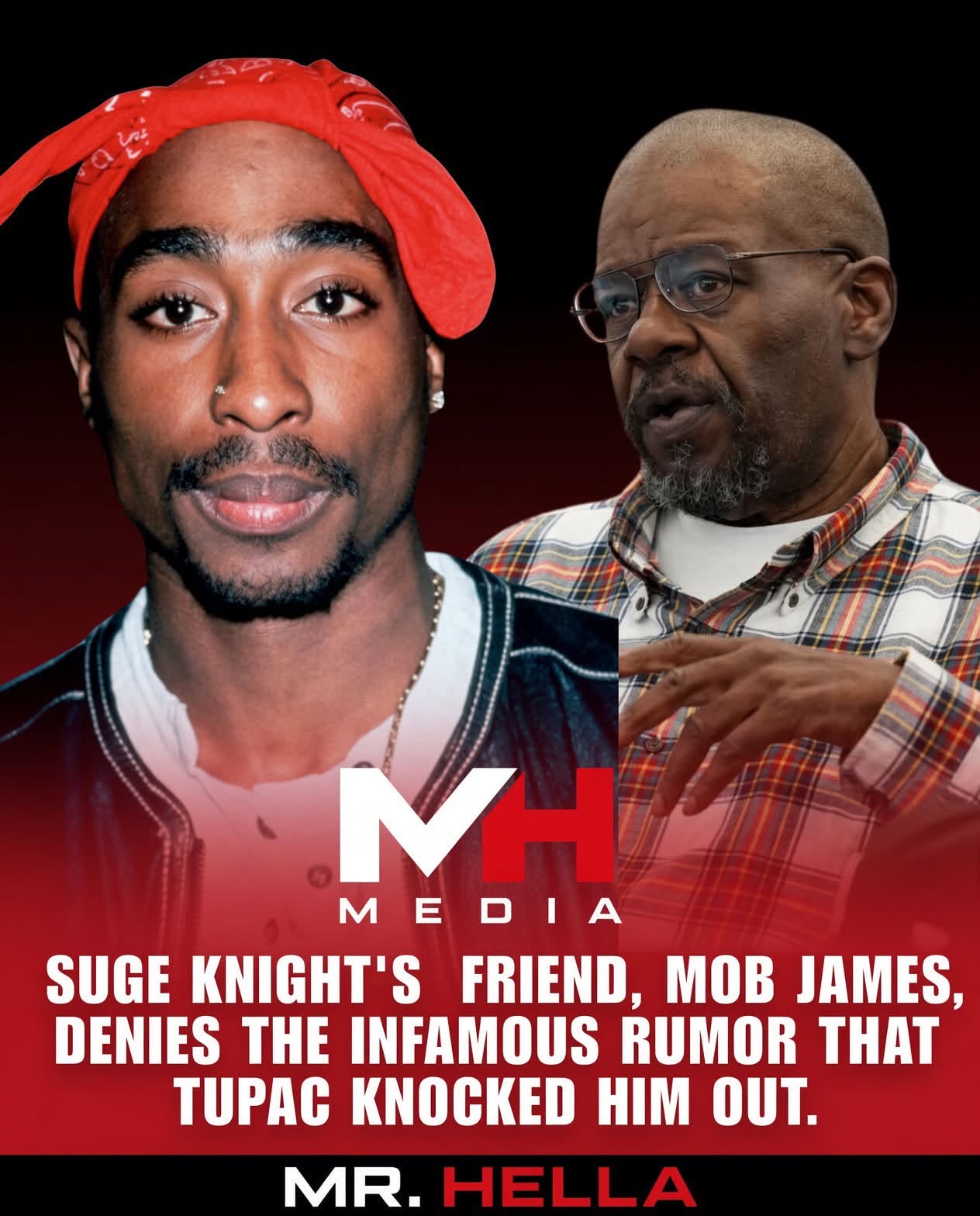
James “Mob James” McDonald took the stand on August 18, 2026, day two of the Duane “Keffe D” Davis murder trial in Las Vegas, and spent a lot of the afternoon refusing the job. He was there under a court order. He told the room to treat him as hostile. He told Davis he did not want to send him to prison. He said he knew everybody who was there the night Tupac Shakur was shot and then would not name them. When the rumor came up — that Shakur had knocked him out — McDonald shut it down. If that had happened, he said, he would have killed him. Him, Suge, and my brother, he added in the version Complex logged: I would have shot all three if he touched me. That is what I was back then. It was a denial of a piece of folklore and a description of a code he says he no longer lives. It was also a sentence spoken over a dead man’s case. Davis has pleaded not guilty. The jury still has weeks of tape.
McDonald is 61 in the People interview he gave after court. Former Mob Piru, under-the-table security around Suge Knight, Club 662 the night of the shooting. He said he did not want to come, that he is raising kids and going to church, that he testified for the grandchildren who know right from wrong. On the stand he pointed at the defense table and told Sanft the questions would hurt “this dude.” Cover your lawyer, he said. Talk to your lawyer, this dude is tripping. BBC captured the line he aimed at Davis: I don’t want to send you to prison, even though we don’t like each other. That is not cooperation. That is a man trying to leave the smallest possible footprint on a murder file.
Prosecutor Binu Palal used him for the atmosphere of 1996: neighborhoods meeting neighborhoods, tension, violence as weather. McDonald would talk in general and stall in particular. He said Shakur did not know Orlando Anderson or Davis before the MGM fight, in the People account. Useful to a revenge theory if the jury believes the fight was the spark. Not useful if the jury wanted a passenger list from the Cadillac.
What the knockout rumor was doing in a murder trial
Street stories attach themselves to famous dead people. A KO tale is how some rooms keep score. McDonald’s answer was that the tale is false and that the person he was in 1996 would have answered a public humiliation with a gun. That second clause is why the clip moved. It is also why it is a bad souvenir. Shakur is the victim in this caption. Davis is the accused. McDonald is a reluctant witness describing a former self. None of those roles is improved by turning “I’d have killed him” into a poster.
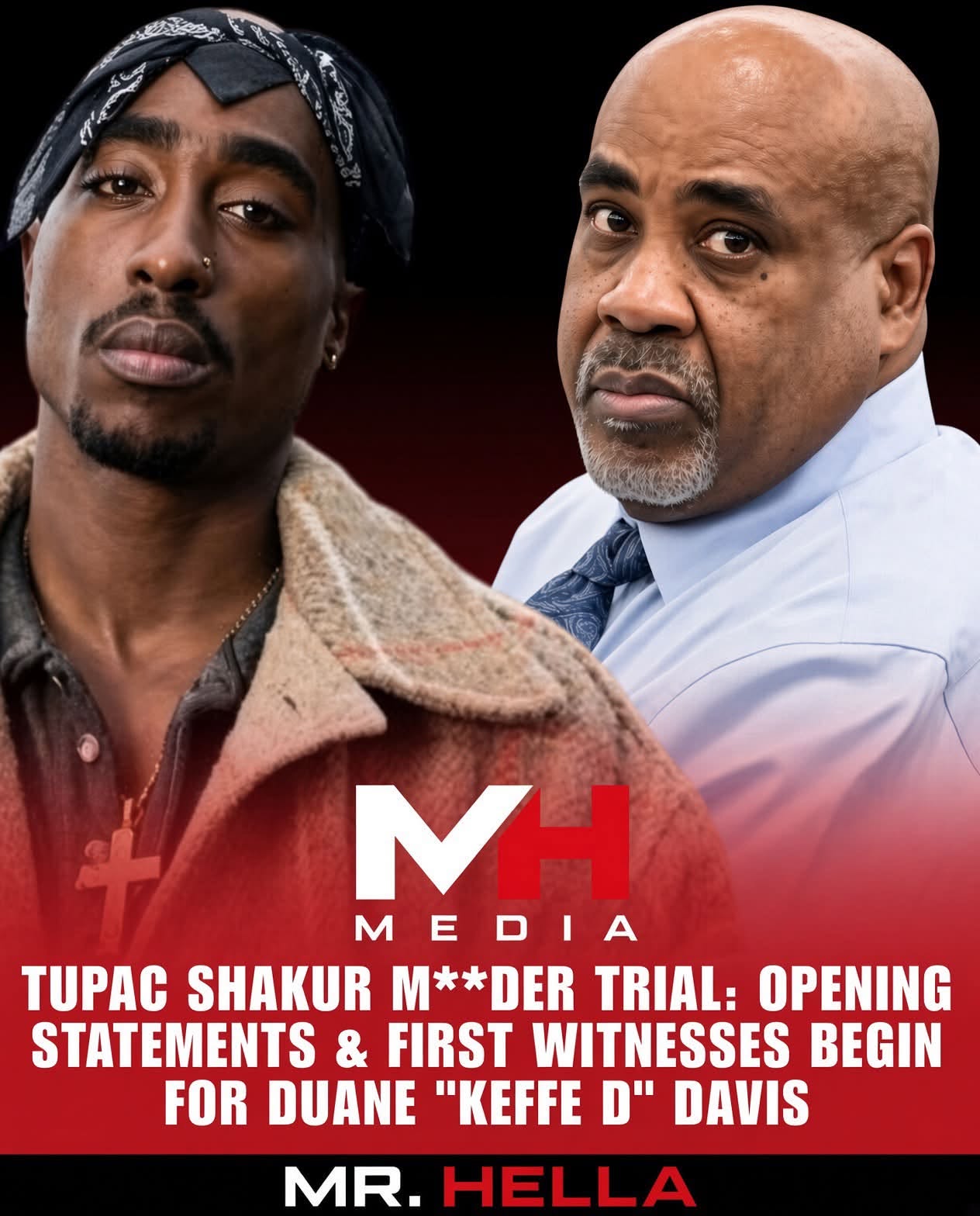
Reggie Wright Jr. also testified that day. The fireworks were McDonald’s. Hostile-witness theater is old. So is a gang case that depends on men who would rather be held in contempt than finish a sentence. The judge’s problem is how much of that theater is evidence.
Thirty years later the state is still trying to turn a night on the Strip into names a jury can write down. McDonald offered atmosphere, a hard no on a rumor, and a refusal to be the person who closes the door on Davis. The prosecution will call that limited. The defense will call that a man who will not lie them into a conviction. The family in the gallery has heard both kinds of days before.
Davis remains not guilty until a verdict. Shakur remains gone. McDonald went home to the grandchildren he mentioned. The quote will outlive the afternoon. It should not outlive the instruction that testimony is not a music video. Day two was a man saying he would not help and, when asked about a punch that he says never landed, describing what help used to look like in his old life. The jury has to decide whether any of that gets them closer to 1996. The rumor, if McDonald is believed, can die in the transcript. The case cannot.
Comments