

Kacey “OTF Jam” Hester told jurors that prosecutors never promised him a reduced sentence in exchange for testifying against Lil Durk, pushing back against one of the central attacks the rapper’s defense has made against the government’s cooperating witnesses.
Hester, who pleaded guilty to participating in the August 2022 shooting that killed Quando Rondo’s cousin Saviay’a “Lul Pab” Robinson, faced an aggressive cross-examination from Durk attorney Brian Steel over what he potentially stands to gain by cooperating with federal prosecutors.
Steel attempted to establish that Hester was testifying because he believed helping the government could eventually get him out of prison.
Hester disputed that characterization.
“Nothing was ever promised to me,” Hester told the court.
He then acknowledged the severity of his own situation.
“I could still [get] life,” Hester said.
The exchange is significant because Hester has emerged as one of the government's most important witnesses against Durk, giving jurors a firsthand account of the alleged murder-for-hire plot while simultaneously admitting his own participation in the deadly shooting.
His credibility—and his motivation for testifying—has consequently become one of the major battlegrounds of the trial.
Defense Questions What Jam Could Gain
Durk’s attorneys have repeatedly argued that cooperating witnesses have powerful incentives to give prosecutors testimony that could help the government's case.
Steel pressed Hester directly on that issue.
During cross-examination, the defense attorney suggested Hester expected to receive a substantial sentencing benefit and confronted him with an allegation that he had told his wife he could be released in approximately 18 months if he testified.
Hester rejected the suggestion that such an outcome had been promised.
“Nothing was ever promised to me,” he responded. “I could still [get] life.”
That does not mean Hester has nothing to gain from cooperation.
Hester has acknowledged hoping his assistance could eventually result in a more favorable sentence. The distinction is between hoping or potentially qualifying for consideration because of cooperation and having an explicit guarantee from prosecutors about what sentence he will receive.
According to Hester, no specific outcome has been promised.
Ultimately, his sentence will be determined through the federal court process.
That distinction is likely to matter when jurors assess his testimony.
The defense wants jurors to view Hester as a convicted participant with an enormous personal incentive to help prosecutors.
The government is presenting him as an insider who participated in the shooting and can tell jurors what happened from firsthand experience.
Both can be true at the same time: Hester can hope his cooperation helps him while also having no guaranteed sentencing outcome.
Jam Admits He Was One of the Shooters
Hester's testimony has been particularly consequential because he has not portrayed himself as a distant observer.
He admitted direct involvement.
Hester told jurors that he was one of the shooters involved in the August 2022 attack targeting Quando Rondo, whose legal name is Tyquian Bowman.
Bowman survived.
His cousin, 24-year-old Saviay’a Robinson, was killed.
Hester described himself as a “shooter” and told jurors he participated in the attack despite claiming he did not personally have a dispute with Robinson.
“I didn’t know dude that got shot,” Hester testified. “I ain’t have beef with him. He was an innocent person to me.”
Hester has pleaded guilty to his role in Robinson’s killing.
That guilty plea means his own criminal exposure is no longer hypothetical.
He is awaiting sentencing after admitting participation in an extremely serious federal crime, and he testified that he understands he could still face life imprisonment.
Jam Says He Approached Authorities Himself
Hester has also given jurors his explanation for why he began cooperating.
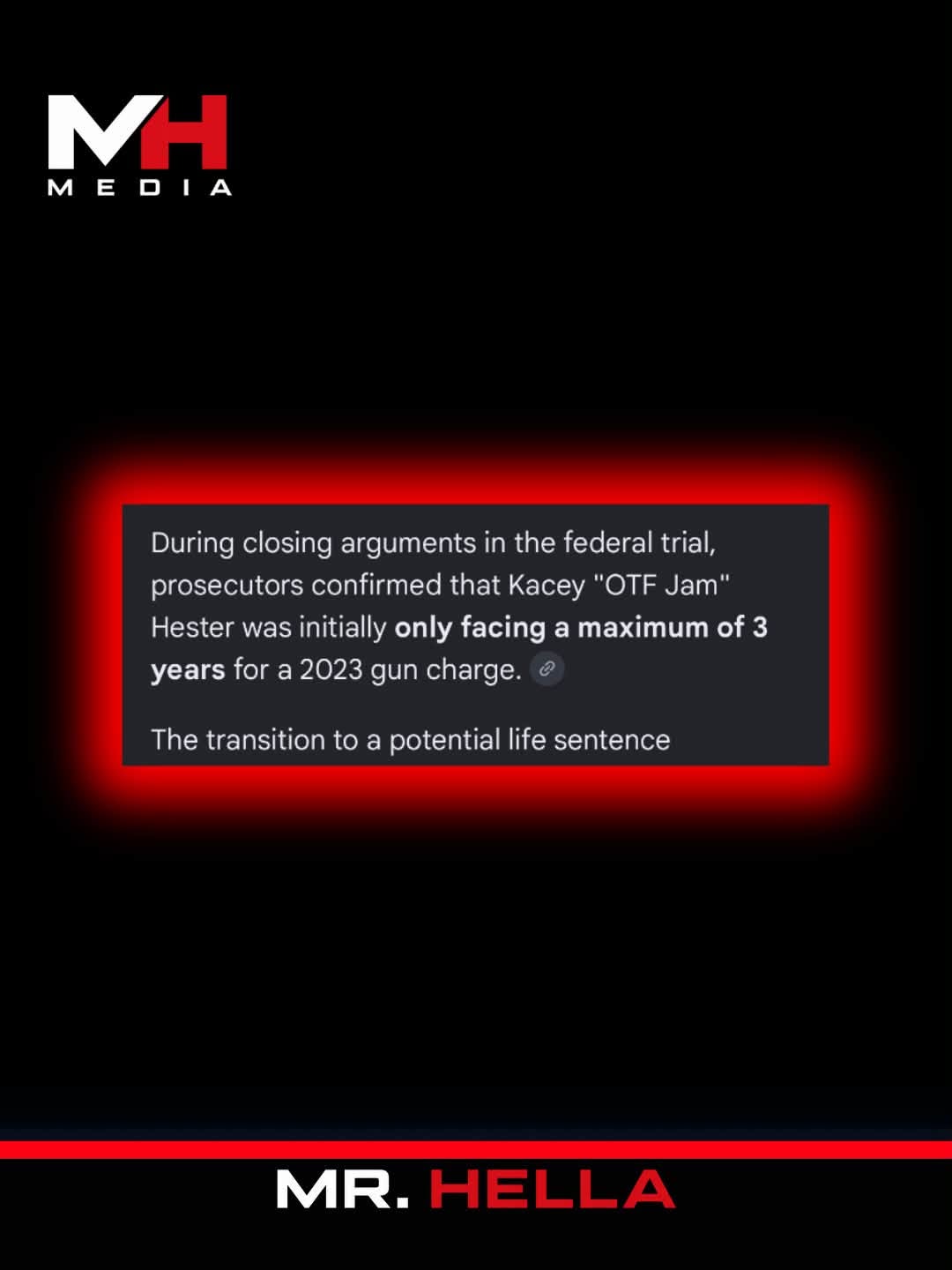
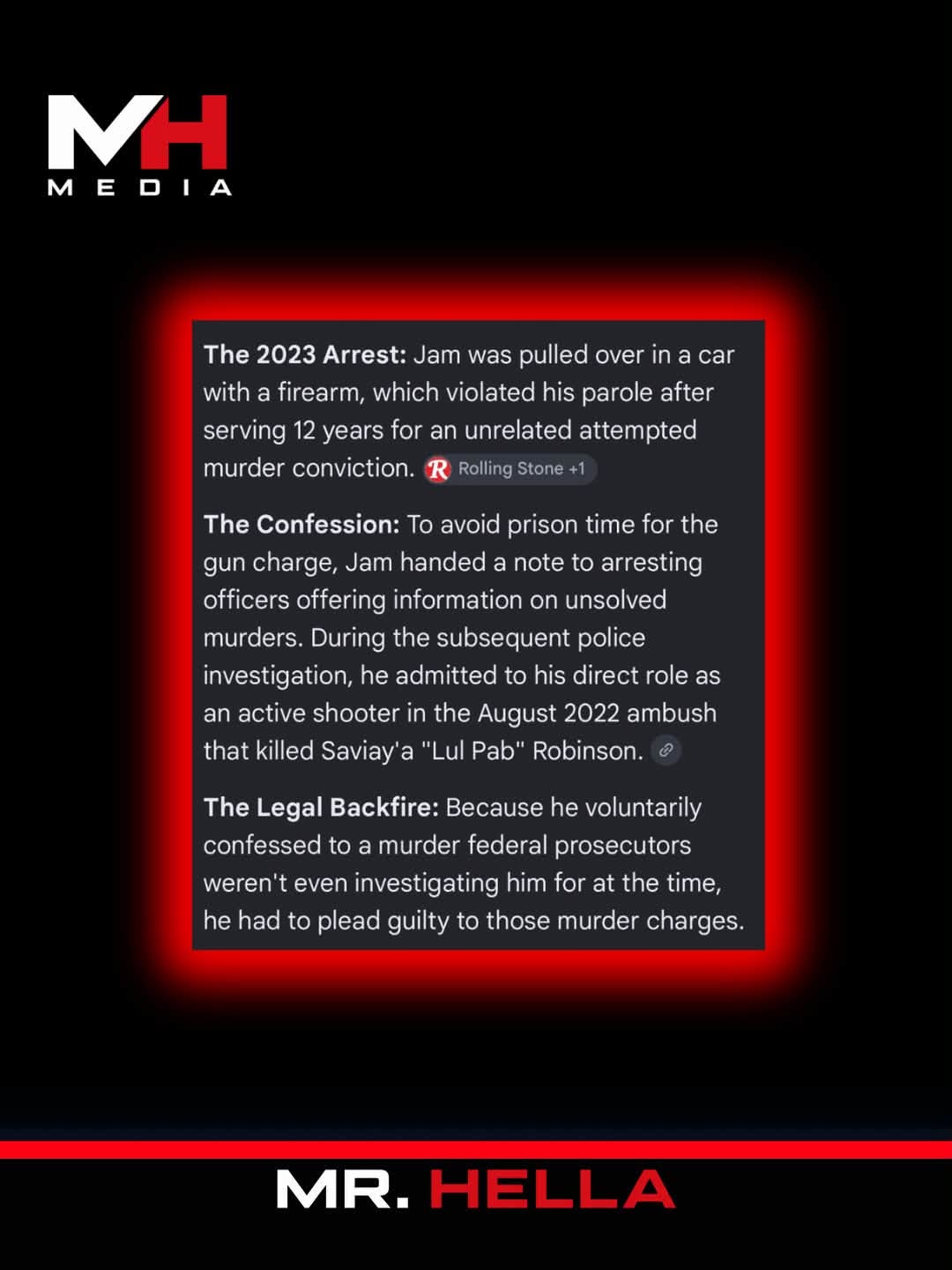
His account is that the process began following a May 2023 arrest involving a firearm, which created additional legal problems because he had previously been released from prison.
During that encounter, Hester wrote a message to authorities.
“I know about murders. I don’t wanna talk on camera. I know a lot,” the note read, according to his testimony.
Hester told jurors the killing had been weighing on him.
“I had to get it off my chest,” he said.
The government can point to that sequence to argue Hester initiated cooperation before receiving any promise about what prosecutors would ultimately do for him.
The defense, however, has challenged the idea that his decision was purely about conscience.
Steel has emphasized that Hester was already facing serious legal jeopardy when he began talking to authorities and has sought to show jurors that Hester understood cooperation could provide a path toward a better sentencing outcome.
That tension sits at the center of his credibility.
‘I’m Just Telling My Side of the Story’
Steel's questioning became particularly tense as he challenged Hester about his criminal history, his relationship with Durk and the possibility that his cooperation could help him avoid spending the remainder of his life behind bars.
Hester pushed back against the suggestion that his objective was simply to send Durk to prison.
“I’m not banking or hoping that Durk gets life,” Hester told the court. “I’m just telling my side of the story.”
His feelings toward Durk were similarly complicated.
“This might be hard to believe,” Hester testified. “I still do have a lot of love for him.”
He said he remembered what Durk had done for him over the years.
“I still got love for him,” Hester said, before adding that he no longer respected him.
Those statements came alongside far more damaging allegations.
Hester has testified that Durk was responsible for putting the group in the situation that ultimately resulted in Robinson’s death.
Durk has pleaded not guilty, and his attorneys have aggressively disputed Hester’s version of events.
Jam’s Credibility Becomes Central to Durk’s Defense
The cross-examination illustrates the challenge jurors face when evaluating cooperating witnesses in the case.
Hester is not presenting himself as an uninvolved eyewitness.
He has admitted participating in the shooting.
He has pleaded guilty.
He faces potentially severe punishment.
And he hopes his cooperation will ultimately be considered when he is sentenced.
At the same time, Hester maintains prosecutors never guaranteed him freedom, a particular sentence or any other specific outcome in exchange for his testimony.
That leaves jurors to decide how much weight his account deserves.
Durk’s defense wants them to see a convicted participant with every reason to shift responsibility toward someone else.
Prosecutors want them to see someone who was actually inside the alleged plot and therefore knows details an outside witness could never provide.
Hester's own testimony captures the complicated position he occupies.
He is helping the government prosecute his former friend while awaiting punishment for his own admitted role in the same deadly episode.
And despite taking the witness stand for prosecutors, Hester told the jury there is one thing he says he was never guaranteed in return:
A reduced sentence.

Comments