


MR. HELLA MEDIA | UPDATES | NOVEMBER 11, 2026
Pooh Shiesty Wins Court Battle to End 23-Hour Solitary Confinement as Judge Orders Changes Ahead of Gucci Mane Kidnapping Trial
Memphis rapper Pooh Shiesty has secured a significant legal victory after a federal judge approved relief from the restrictive confinement conditions that his attorneys say have kept him isolated inside a Texas jail cell for approximately 23 hours each day.
The development came during a November 10 hearing before U.S. District Judge David Godbey in Dallas, where federal prosecutors and Shiesty’s defense team reached an agreement concerning his treatment while he awaits trial on kidnapping and armed robbery charges involving fellow rapper Gucci Mane.
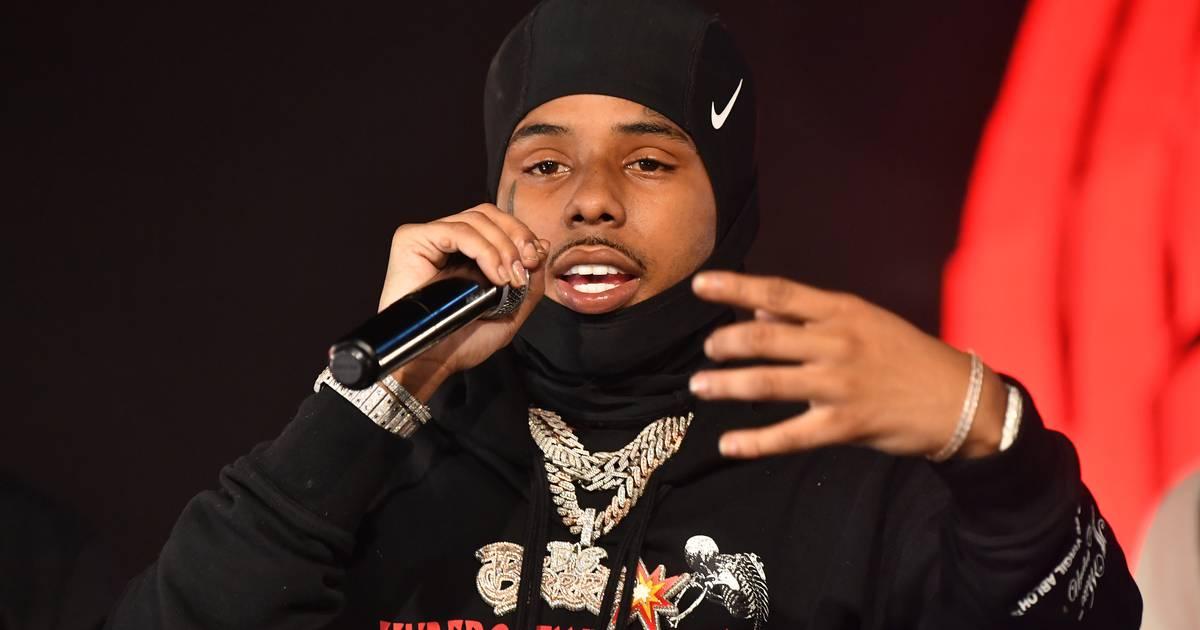
According to court records reviewed by Complex, both sides agreed to pursue changes to the rapper’s detention arrangements, potentially allowing him to be transferred to another facility within days.
Shiesty, whose legal name is Lontrell Denell Williams Jr., has been detained at Rolling Plains Regional Jail in Haskell, Texas, where his attorneys allege that he has experienced prolonged isolation, severely restricted family visits and sleeping difficulties since arriving July 1.
His attorney, Kent Schaffer, described the development as crucial, explaining that the judge had expressed concern about the conditions and instructed the government to work toward a reasonable solution.
The ruling represents an important victory for Shiesty’s defense team, although it does not mean he is being released from custody. His criminal case remains active, with trial scheduled for February 2027. Complex +1
Federal Judge Intervenes After Months of Isolation
The dispute over Shiesty’s confinement began in October when his attorneys filed an emergency motion asking the federal court to intervene.
The defense argued that Shiesty had been subjected to unusually restrictive conditions despite not having been convicted of the charges he currently faces.
According to the filing, the rapper was confined to a small cell for approximately 23 hours every day, with limited opportunities for meaningful interaction with other inmates or visitors.
His attorneys also alleged that the jail reduced his monthly family visitation allowance from four hours to just two.
The restrictions became particularly concerning to his legal team because jail officials had allegedly provided little explanation for why such extensive isolation was necessary.
Shiesty’s attorneys argued that the facility had not documented violent behavior or disciplinary violations that would justify keeping him separated from other detainees indefinitely.
Judge Godbey initially granted relief in October, expressing concern that the restrictions could amount to punishment before a criminal conviction.
However, federal authorities challenged the defense’s characterization of the conditions, leading to additional filings and the November 10 hearing.
At that hearing, prosecutors and defense attorneys ultimately agreed to work toward an alternative detention arrangement.
According to reporting by WFAA, the court record states that both parties would notify the judge if they were unable to secure a suitable facility for Shiesty.
The agreement clears the way for changes to his confinement, but his transfer had not been completed as of November 11. iHeart +2
Attorney Claims Shiesty Has Been Struggling With Sleep and Isolation
One of the most serious concerns raised by Shiesty’s defense involved the effect of prolonged isolation on his daily life.
Attorney Kent Schaffer told Complex that his client had been confined to a small cell for nearly the entire day since July 1.
According to Schaffer, the lights inside the cell remained on throughout the day and night, making it difficult for Shiesty to sleep for extended periods.
The attorney also alleged that his client’s primary connection to the outside world came through an electronic tablet rather than meaningful face-to-face interaction.
Schaffer said the judge’s intervention was essential because the rapper needed to be housed somewhere that would treat him humanely.
In the October emergency motion, Shiesty’s attorneys reported that he had been experiencing anxiety and difficulty sleeping because of the restrictions.
A family member also submitted a declaration describing concerns about his emotional well-being and the challenges of maintaining contact with him while he remained detained several hours away from his relatives.
The defense maintained that these conditions were particularly troubling because Shiesty remains legally presumed innocent while awaiting trial.
These descriptions are allegations and observations presented by the defense and his family, rather than independently established medical findings. Complex +1
Prosecutors Argued Restrictions Were Necessary for Safety
Federal prosecutors initially opposed Shiesty’s request, arguing that the restrictions were necessary to maintain security and protect the rapper while he remained in custody.
In court filings, the government pointed to several concerns, including allegations involving his conduct at a previous halfway house.
Prosecutors also described an incident in which three inmates allegedly attempted to reach Shiesty’s housing area to obtain autographs.
The government argued that these circumstances demonstrated why jail officials had legitimate reasons to keep him separated from other detainees.
Another major point of disagreement involved Shiesty’s access to an electronic tablet.
Prosecutors argued that the rapper had substantial opportunities to communicate with people outside the facility through video calls, emails and other digital services.
According to the government’s filing, Shiesty participated in 231 video visits totaling more than 45 hours.
Authorities also cited his ability to watch streaming entertainment, play games and exchange thousands of electronic messages.
The defense rejected the argument that digital communication compensated for prolonged physical isolation.
In a November 10 filing, Schaffer argued that access to entertainment and electronic communication did not address the central issue: Shiesty’s near-total separation from meaningful human interaction.
The defense further maintained that jail officials had failed to provide adequate documentation explaining why his confinement needed to remain so restrictive.
The disagreement ultimately shifted toward finding a new detention arrangement acceptable to both sides. Complex +2
Shiesty Could Be Transferred to Another Facility Within Days
Following the November 10 hearing, Schaffer expressed optimism that his client could soon be relocated.
According to Complex, the attorney said Judge Godbey began the hearing by raising concerns about the confinement and directing the government to work with the defense toward a solution.
Schaffer indicated that the parties appeared to have reached an agreement and expressed hope that Shiesty would be moved within several days.
The defense has requested a facility closer to Dallas, which would make visits from family members and legal representatives more manageable.
However, the court did not identify a specific destination during Tuesday’s hearing.
That distinction is important because the agreement does not establish that Shiesty has already left Rolling Plains Regional Jail.
As of November 11, his new housing location had not been publicly confirmed.
The development also does not represent a reduction in his criminal charges, a dismissal of his case or an order releasing him from federal custody.
Instead, the ruling concerns the conditions under which he will remain detained while his prosecution continues. Complex +1
Pooh Shiesty Still Faces Federal Charges Involving Gucci Mane
The legal victory comes as Shiesty prepares for a separate and considerably more serious courtroom battle involving allegations that he participated in the kidnapping and armed robbery of Gucci Mane and others at a Dallas recording studio.
Federal prosecutors allege that Shiesty and several associates participated in an armed confrontation connected to a recording contract dispute.
According to the government’s allegations, the incident involved threats with firearms and efforts to force a victim to sign documents releasing Shiesty from contractual obligations.
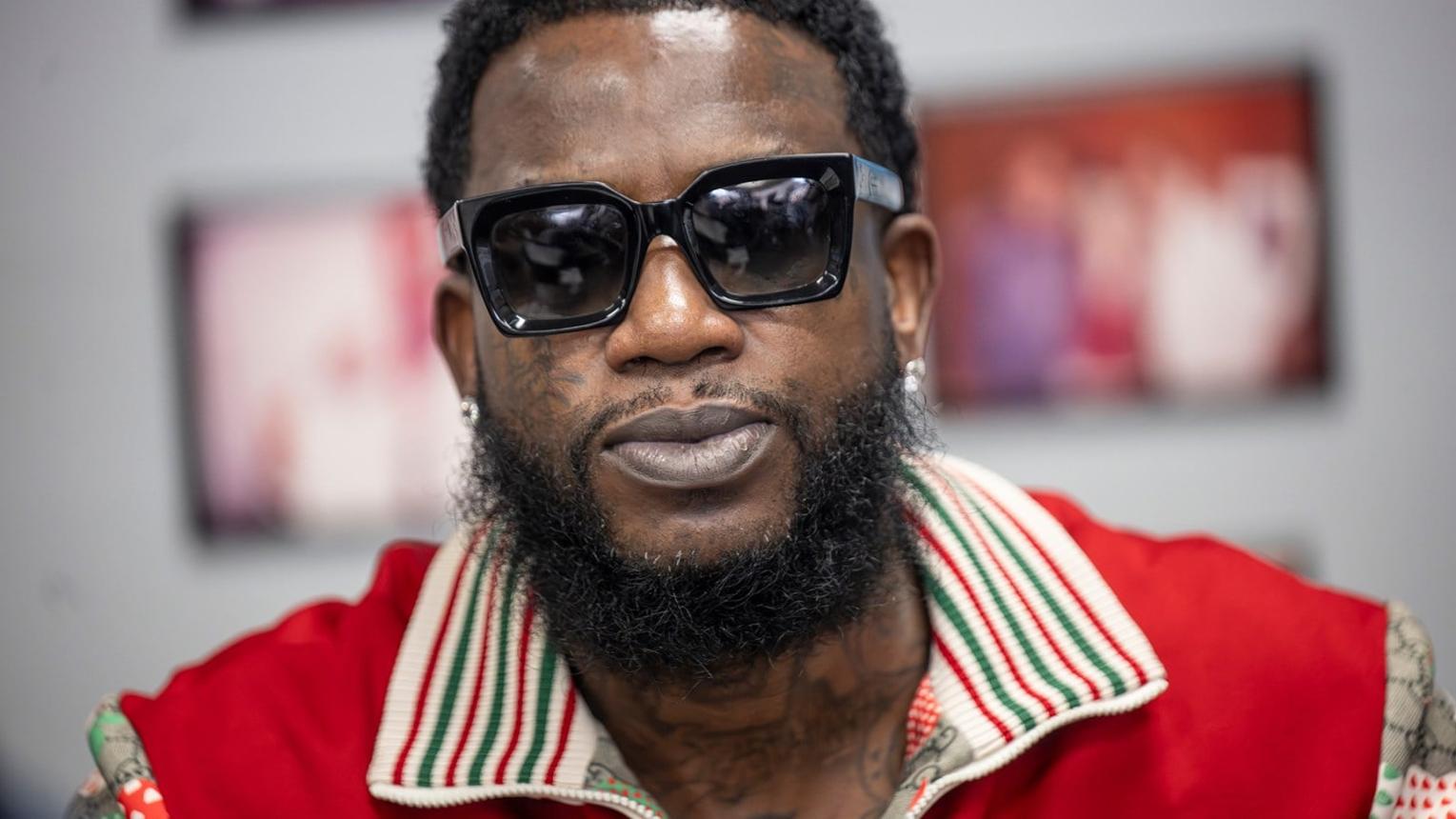
The charges stem from an alleged incident earlier in 2026, and prosecutors have accused multiple individuals of participating in the confrontation.
Shiesty has pleaded not guilty.
The rapper’s trial was initially expected to take place in July 2026 but was subsequently postponed until February 2027.
His legal team continues to challenge the prosecution while also seeking improved conditions during his pretrial detention.
The confinement dispute and the underlying criminal case are separate legal matters. The November 10 agreement does not determine whether Shiesty committed any of the alleged offenses. iHeart +2
Why the Court’s Decision Matters
The dispute has raised broader questions about the treatment of individuals who are being held in federal custody before their criminal cases have been resolved.
Pretrial detention allows courts to keep defendants in custody under certain circumstances, but those individuals retain constitutional protections and the presumption of innocence.
Shiesty’s attorneys argued that prolonged isolation without sufficient justification crossed the line between legitimate security measures and unnecessarily punitive treatment.
Federal authorities maintained that the restrictions were connected to safety concerns and the challenges of managing a high-profile detainee.
Judge Godbey’s intervention placed renewed attention on whether the jail had adequately justified the conditions imposed on the rapper.
The resulting agreement illustrates how courts can intervene in disputes over detention conditions without making any determination about a defendant’s guilt or innocence.
For Shiesty, the immediate practical significance could be substantial: a transfer may allow him greater opportunities for movement, in-person contact and family visitation while he prepares for trial.
However, the exact conditions at any new facility remain to be determined.
What’s Next for Pooh Shiesty?
November 10, 2026
Court agreement reached
Facility transfer
Pending
February 2027
Criminal trial scheduled
The next major development will likely involve confirmation of where Shiesty will be housed and what restrictions will apply after his transfer.
His attorneys have indicated that they hope the move can happen within days, but no official transfer date has been announced.
Meanwhile, the rapper’s defense team must continue preparing for the federal criminal trial scheduled for February 2027.
The case remains one of the most closely watched legal proceedings involving a prominent Memphis rapper, particularly because of Shiesty’s previous commercial success and his longstanding association with Gucci Mane’s 1017 record label.
For now, Pooh Shiesty has won an important battle over his treatment behind bars, but his larger legal fight is far from over. The agreement offers a potential end to the 23-hour daily isolation his attorneys have challenged for weeks, while leaving the allegations underlying his criminal prosecution unresolved.



Comments