


More than two decades after The Game released the album that helped establish him as one of the defining West Coast rappers of his generation, the Compton veteran has returned to one of the most recognizable titles in his catalog.
The Game released The Documentary III on August 21, 2026, delivering a massive 24-track album packed with appearances from some of the biggest names across multiple generations of hip-hop and R&B.
The project runs approximately one hour and 27 minutes and includes collaborations with Drake, Kanye West, Lil Wayne, Snoop Dogg, PARTYNEXTDOOR, YG, Tyga, Black Thought, E-40, Larry June, Leon Thomas, Drakeo the Ruler, Marsha Ambrosius, Kalan.FrFr and several others.
But beyond its lengthy tracklist and celebrity-heavy guest list, the album carries considerably more weight because of its title.
The Game Returns to ‘The Documentary’ More Than 20 Years Later
The project is the latest installment in the album series that began with The Game’s landmark 2005 debut, The Documentary.
Released during a period when West Coast hip-hop was undergoing a major transition, the original album became the project most closely associated with The Game’s rise to mainstream prominence.
The album featured records including “Hate It or Love It,” “How We Do” and “Dreams” and included contributions from artists and producers such as 50 Cent, Dr. Dre, Kanye West and others.
A decade later, The Game revisited the franchise with The Documentary 2 and The Documentary 2.5 in 2015.
Now, more than 20 years after the original, The Documentary III serves as another return to that era while also connecting The Game with artists representing several different periods of hip-hop.
Apple Music describes the album as a wide-ranging examination of The Game’s Los Angeles roots and career, moving from G-funk-influenced production to traditional lyric-driven rap and collaborations with both longtime peers and newer West Coast artists.
Drake Collaboration ‘No Brakes’ Immediately Draws Attention
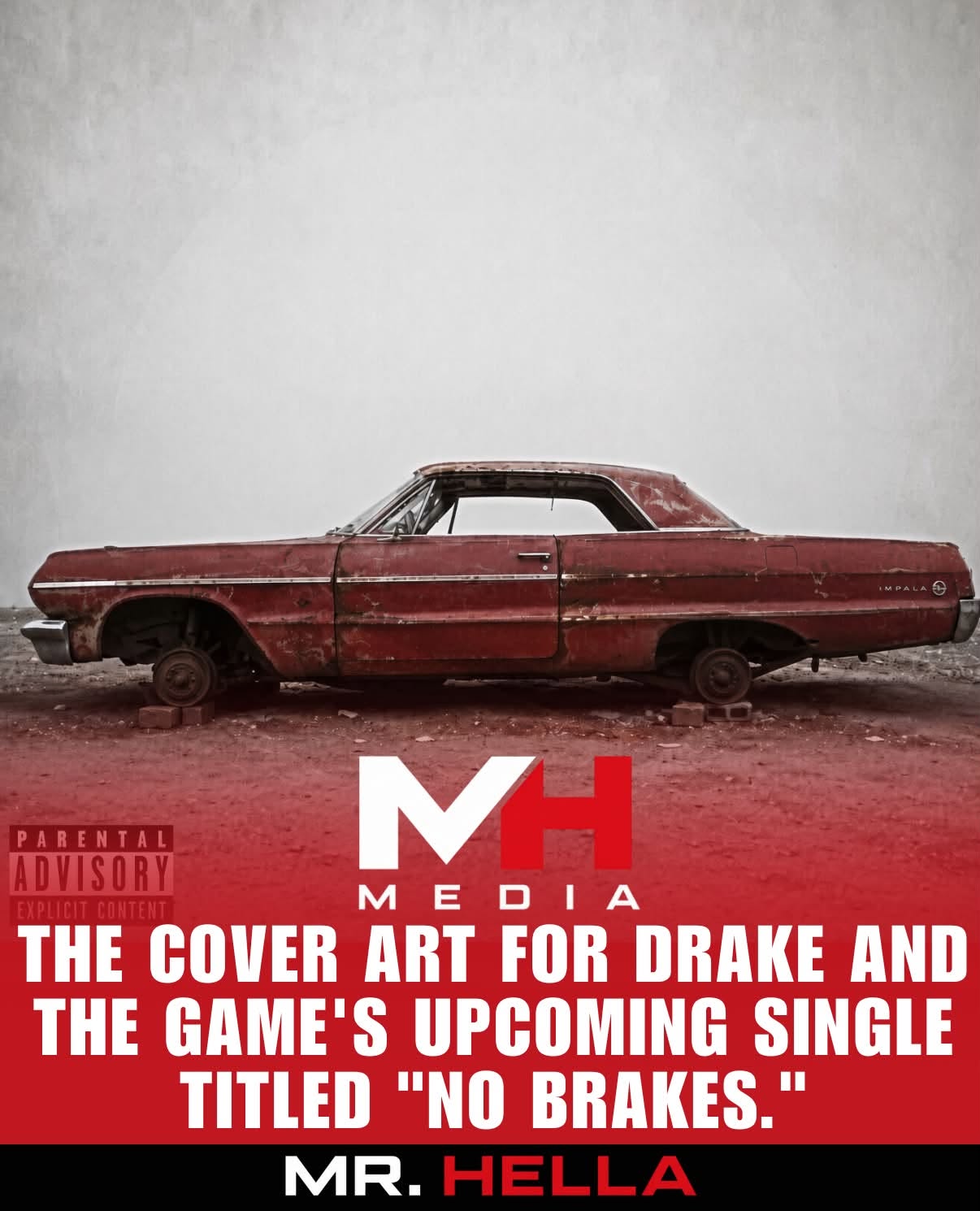
One of the album’s most talked-about songs is track seven, “No Brakes,” featuring Drake.
The collaboration immediately attracted attention because of Drake’s highly publicized history with fellow Compton superstar Kendrick Lamar and the broader conversation surrounding loyalties within West Coast hip-hop.
The Game, however, has pushed back against suggestions that his collaboration with Drake should automatically be interpreted as an attack on Kendrick.
The released version of “No Brakes” runs just over two minutes and features Drake prominently on the record.
But days after the album arrived, The Game revealed something particularly interesting about the song: the public may not have heard everything that was originally recorded.
During an appearance on Real 92.3’s The Cruz Show, The Game said there had been approximately three versions of “No Brakes.”
He suggested some of those versions were considerably less friendly than the version eventually released.
The Game said he altered portions of the album before its release because he wanted listeners focused on the music rather than rap disputes.
He also suggested that some material may have been removed in an effort to “protect the coast as a whole.”
When asked specifically about the possibility of a full Drake verse that did not make the final version, The Game remained deliberately vague but acknowledged that substantial changes had been made.
That revelation has added another layer of intrigue to “No Brakes,” particularly because the finished record arrived during a period when nearly any musical connection involving Drake and a prominent Los Angeles rapper was likely to generate discussion.
Kanye West Reunites With The Game
Kanye West, now known as Ye, is another major name appearing on the album.
Ye appears on “40 Nights,” the tenth song on the project, while streaming credits also associate him with “LA Monster.”
The collaboration continues a musical relationship between The Game and Ye stretching back more than two decades.
Kanye produced “Dreams” from The Game’s original Documentary album, making his involvement in the third installment particularly notable.
Over the years, the two have continued working together, including on records such as “Crack Music” and the 2022 collaboration “Eazy.”
His appearance on The Documentary III therefore connects the newest album directly with one of the producers who played a role in the sound of the original project.
Lil Wayne Appears on ‘Steppers’
Lil Wayne joins The Game on “Steppers,” appearing near the beginning of the album as its third track.
Like Kanye, Wayne has a long history of collaborating with The Game.
His presence reinforces one of the major themes running throughout The Documentary III: The Game is not relying exclusively on artists from one particular generation.
Instead, the album combines artists who were already major figures during his early career with musicians who emerged much later.
That approach makes the guest list unusually broad.
Snoop Dogg Helps Revisit a Classic
Another particularly notable moment arrives almost immediately.
The second track, “Love It or Hate It,” features Snoop Dogg and Cool & Dre and deliberately evokes one of the biggest records of The Game’s career.
The title is an obvious play on “Hate It or Love It,” The Game’s 2005 hit featuring 50 Cent.
Rather than simply naming the record after the original, the new version serves as a modern callback to the sound and history surrounding The Game’s breakthrough era.
Snoop’s appearance also adds another major Los Angeles connection to a project heavily centered around The Game’s West Coast identity.
The Album Connects Multiple Generations of California Rap
While names like Drake, Ye and Lil Wayne will naturally generate the most mainstream attention, The Documentary III contains a substantial collection of California artists.
YG appears alongside Lefty Gunplay and AZ Chike on “The Part,” creating a multigenerational West Coast collaboration.
E-40 joins “HELLA,” while Larry June appears on “The Cookout.”
The late Drakeo the Ruler appears on “Geekin.”
Other contributors include RJMrLA, Kalan.FrFr and additional Los Angeles-area artists.
The result is an album that simultaneously reaches outside California for major superstar collaborations while repeatedly returning to The Game’s regional roots.
Black Thought Brings a Lyrical Heavyweight to the Album
Toward the end of the project, The Game links with Black Thought of The Roots for “I Won’t Be Afraid.”
The collaboration pairs two rappers known for placing a heavy emphasis on lyricism and longevity.
Black Thought’s inclusion stands apart from some of the album’s more commercially recognizable collaborations and reinforces the project’s focus on traditional MC-driven hip-hop.
Marsha Ambrosius then appears on the album’s closing track, “Game Recognize Game.”
PARTYNEXTDOOR, Leon Thomas and Tyga Expand the Sound
The album also moves beyond traditional West Coast street records.
Leon Thomas appears on “Run It Up,” while Drake collaborator PARTYNEXTDOOR joins The Game for “Party At Game’s.”
Tyga appears alongside RJMrLA on “In The Way.”
Those collaborations give the 24-song project room to move between harder rap records, melodic tracks and more R&B-oriented material rather than maintaining one sound for nearly 90 minutes.
Extensive Production Team Behind the Project
The production credits are similarly extensive.
Executive producer Tommy Brown, also known as TBHits, plays a major role in the album’s sound.
The wider production roster includes Mike & Keys, Bangladesh, Cool & Dre, London On Da Track, Conductor Williams and others.
Toronto producer Maneesh also contributed to multiple songs, including “Sticks,” “LA Monster,” “In The Way” and “The Life.”
That range of producers helps explain the stylistic variation across such a lengthy album.
Rather than building all 24 tracks around one interpretation of West Coast production, The Documentary III incorporates G-funk influences, soulful production, darker cinematic sounds and contemporary rap production.
The Full 24-Track Album
The final project consists of:
1. “Geezus”
2. “Love It or Hate It” featuring Snoop Dogg
3. “Steppers” featuring Lil Wayne
4. “The Life”
5. “Scary Times”
6. “20 Deep”
7. “No Brakes” featuring Drake
8. “Sticks”
9. “Geekin” featuring Drakeo the Ruler
10. “40 Nights” featuring Kanye West
11. “Do You Love Me”
12. “Run It Up” featuring Leon Thomas
13. “Party At Game’s” featuring PARTYNEXTDOOR
14. “BABY” featuring Kalan.FrFr and ArmonieJAY
15. “In The Way” featuring RJMrLA and Tyga
16. “The Part” featuring a collection of West Coast artists including YG, Lefty Gunplay and AZ Chike
17. “HELLA” featuring RJMrLA, E-40 and Serrin Joy
18. “Nothing 2 Hide”
19. “LA Monster”
20. “Meet The Parents”
21. “The Pen”
22. “The Cookout” featuring Larry June
23. “I Won’t Be Afraid” featuring Black Thought
24. “Game Recognize Game” featuring Marsha Ambrosius
The project contains no traditional interludes, meaning listeners are essentially getting 24 full records across its approximately 87-minute runtime.
‘Sticks’ Receives the Visual Treatment
The Game also supported the album with a music video for “Sticks.”
Directed by veteran music-video director Benny Boom, the visual was filmed around Los Angeles’ historic Pueblo Del Rio housing community, commonly known as the Pueblos.
The visual reinforces the album’s repeated emphasis on Los Angeles and The Game’s connection to the streets and neighborhoods that shaped his career.
The album rollout was also accompanied by a cinematic tracklist trailer directed by Sam King.
The trailer incorporated recognizable West Coast imagery including lowriders, classic sneakers and Los Angeles street scenes, further establishing The Documentary III as a project intentionally connected to The Game’s roots.
The Game Continues Making His Case for His Place in L.A. Hip-Hop
The album arrives as The Game has increasingly spoken about his position within Los Angeles rap history.
In promotional comments surrounding the project, he addressed ongoing debates about the greatest rappers to emerge from Los Angeles and pointed toward the impact he believes he had when The Documentary arrived in 2005.
That conversation has inevitably brought Kendrick Lamar into the discussion because Kendrick became one of the most commercially successful and critically recognized rappers to emerge from Compton in the generation following The Game.
But despite speculation surrounding certain lyrics on The Documentary III, The Game has publicly denied that the album was designed as a Kendrick Lamar diss project.
His later comments about removing potentially inflammatory material suggest that at least part of the final editing process was specifically intended to prevent rap conflict from overshadowing the album itself.
A Full-Circle Moment More Than Two Decades Later
Ultimately, The Documentary III represents something larger than another entry in The Game’s discography.
The title deliberately connects the 46-year-old rapper’s current career with the album that transformed him into a major hip-hop figure more than two decades ago.
The original Documentary represented an artist attempting to establish himself.
The Documentary III arrives from an artist looking back on more than 20 years of records, collaborations, controversies and changes within hip-hop while still attempting to establish where he belongs in the current conversation.
The enormous guest list reflects that history.
Snoop Dogg represents an earlier generation of West Coast rap. Kanye West and Lil Wayne represent artists whose careers became intertwined with The Game’s during the 2000s. Drake, PARTYNEXTDOOR and Black Thought bring completely different relationships and styles to the project, while YG, Drakeo the Ruler, Larry June, AZ Chike, Lefty Gunplay and others connect the record to different eras of California hip-hop.
And sitting directly in the middle of those conversations is “No Brakes”—a Drake collaboration that may have sounded considerably different had The Game released one of its earlier versions.
For now, listeners have the version The Game ultimately chose to release: a sprawling 24-song statement designed to connect his past, present and West Coast legacy under the name of the album that started it all.

Comments