

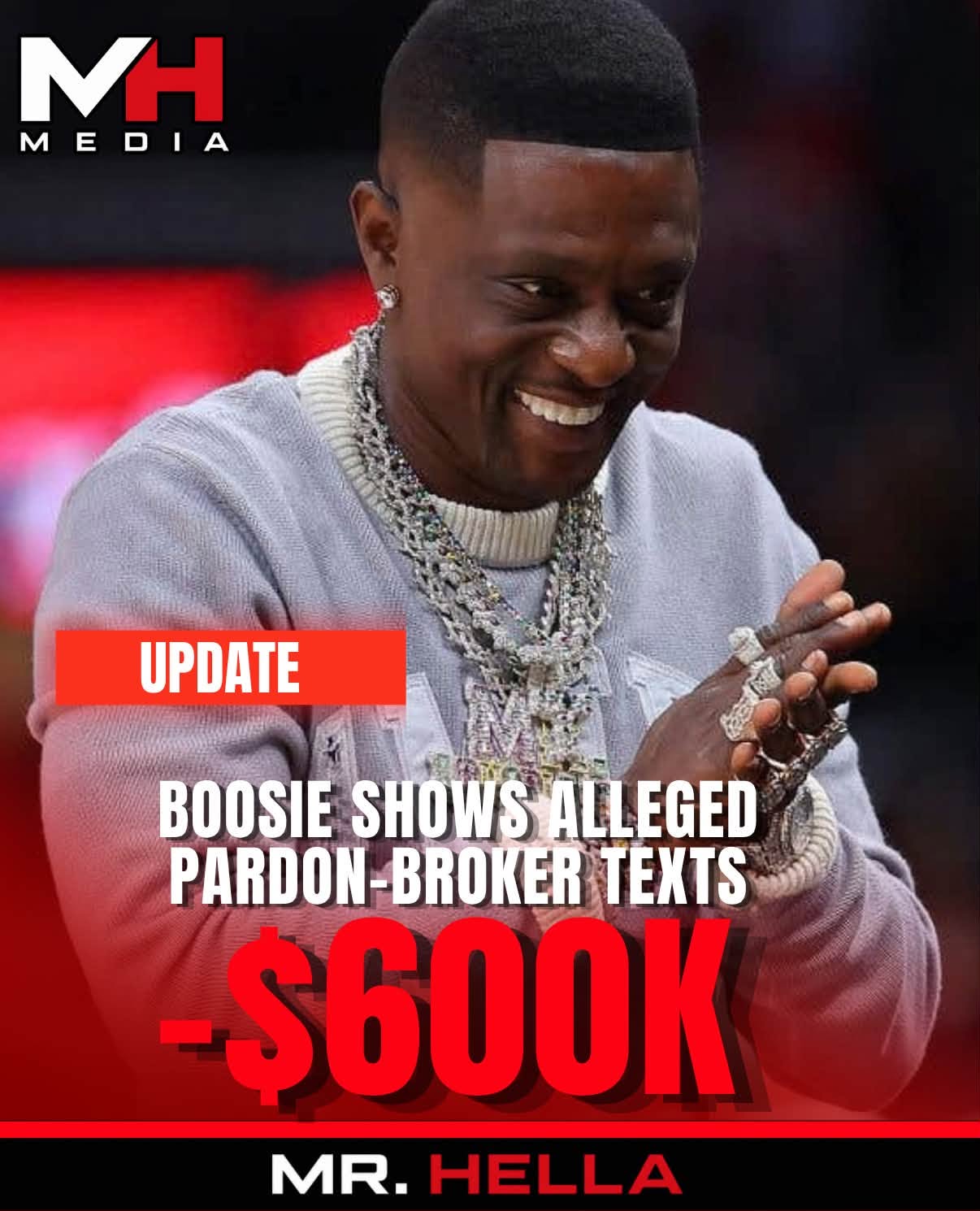
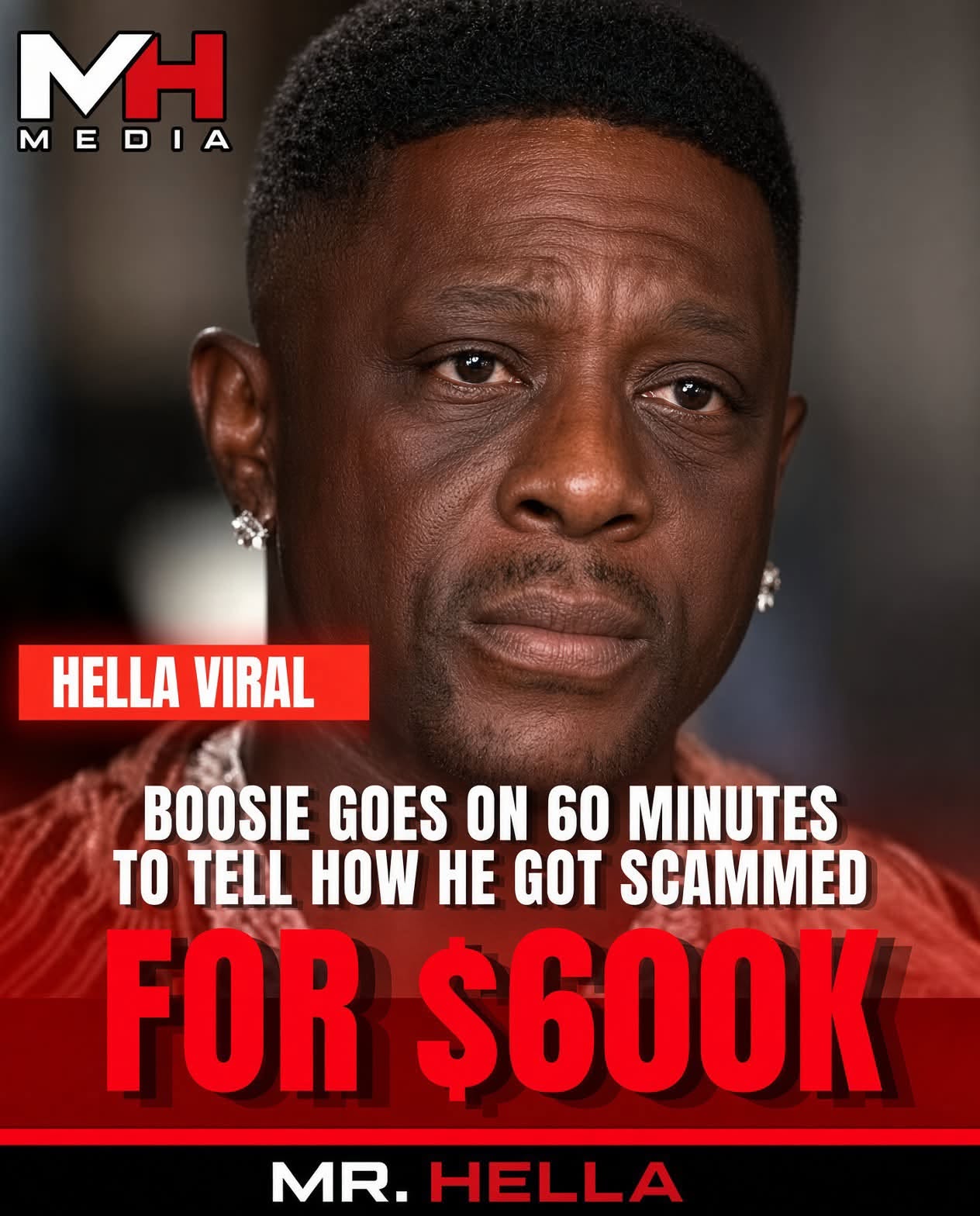
Boosie BadAzz went on 60 Minutes to explain how he paid $600,000 to two political operatives while pursuing a presidential pardon from Donald Trump.
He didn't get the pardon.
Now Boosie says the nationally televised investigation didn't tell his entire story either.
The Baton Rouge rapper appeared on the Sept. 13 edition of 60 Minutes as part of an investigation into what CBS described as a growing “pardon economy”—a world of lawyers, lobbyists and political intermediaries charging substantial fees to advocate for people seeking presidential clemency.
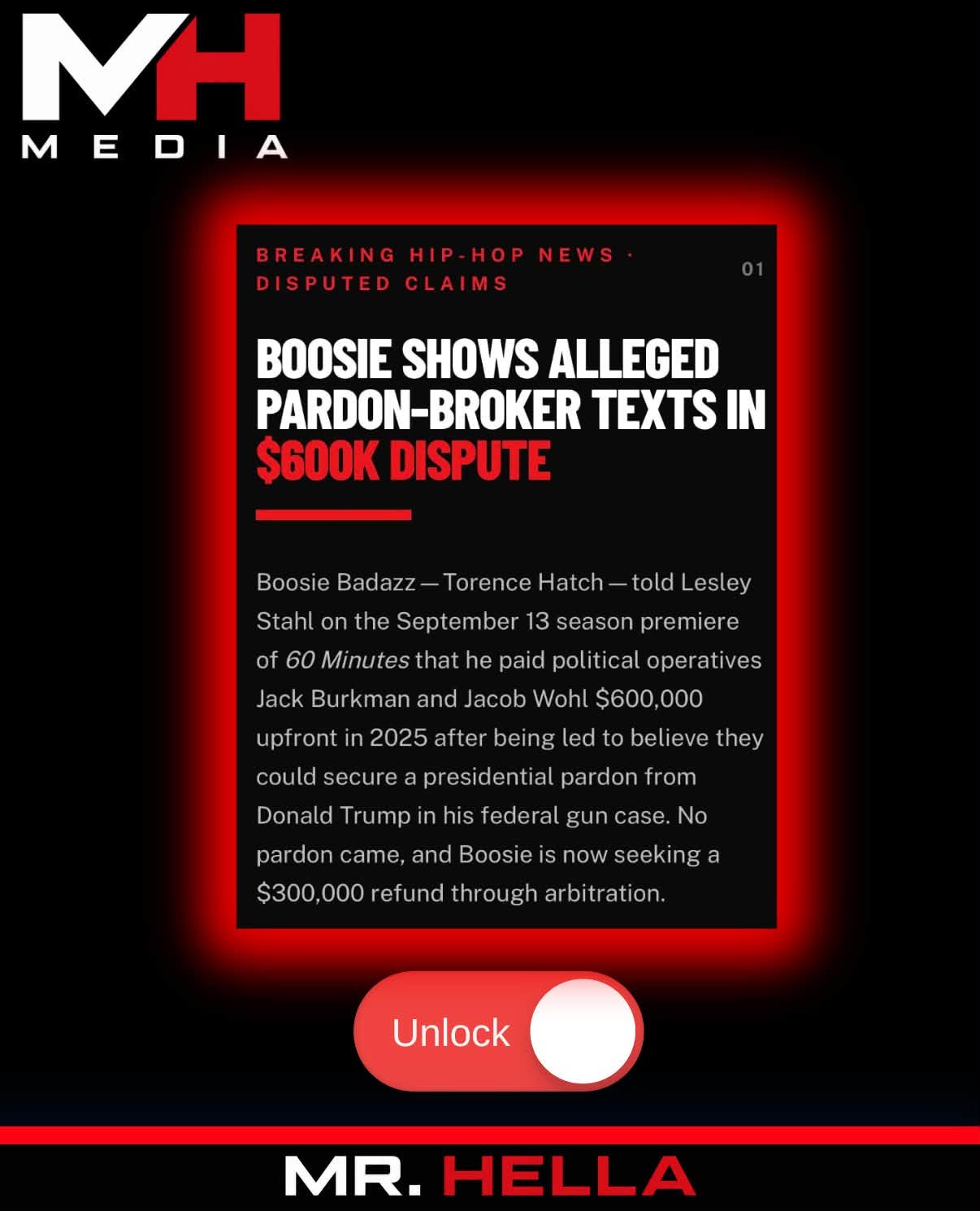
At the center of Boosie’s story are political operatives Jack Burkman and Jacob Wohl, whom the rapper says he paid $600,000 upfront after being led to believe they could get his case in front of influential people surrounding Trump and ultimately secure a pardon.
“This is what I was led to believe: if you come with this money, you will get a pardon,” Boosie told correspondent Lesley Stahl.
When Stahl asked how much he paid upfront, Boosie didn't hesitate.
“$600K. Yeah.”
The pardon never came.
Boosie Says He Thought the Money Would Make It Happen
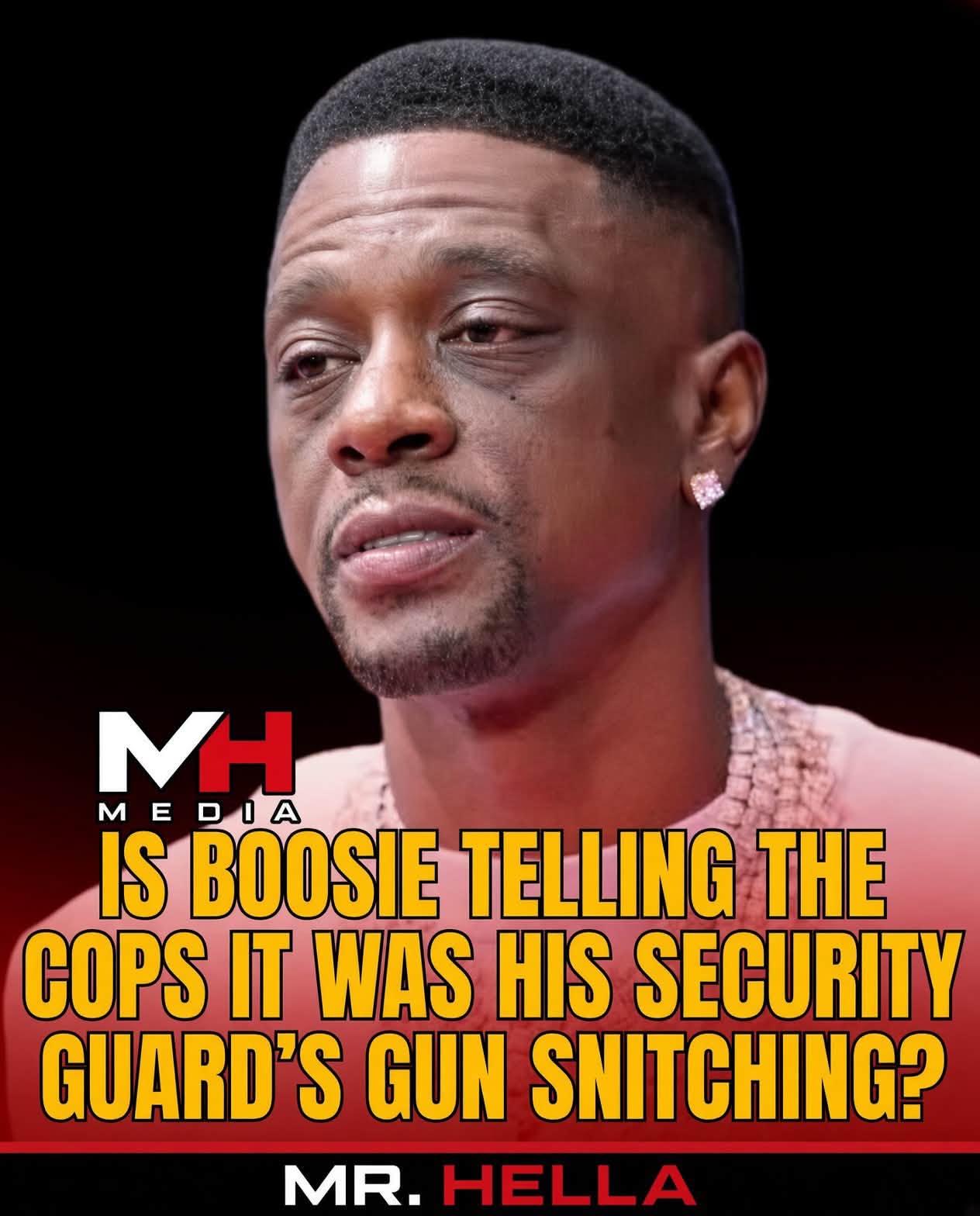
Boosie, whose legal name is Torence Hatch, was seeking clemency in connection with his federal gun case.
According to CBS, messages allegedly sent to Boosie’s attorney invoked several prominent people whom the brokers claimed could help his pardon effort, including Laura Loomer, Erika Kirk and House Speaker Mike Johnson. Another message referenced Natalie Harp, a Trump aide, and suggested she could personally get Boosie’s application to the president.
Boosie said those representations made him believe he was paying people who knew how to navigate the process.
“I just thought, I mean, ‘This is the way it’s done,’” he told 60 Minutes. “I’m paying these guys, you know? And they’re gonna make it happen.”
The people whose names allegedly appeared in those communications have pushed back.
CBS reported that representatives for Johnson and Turning Point USA said they did not endorse Boosie’s pardon. Loomer told CBS she had never spoken with Burkman or Wohl about clemency and said she believed her name was being used without permission.
Boosie ultimately received no pardon.
The $300,000 Refund Is Now Part of the Fight
Boosie's dispute didn't end when the clemency effort failed.
CBS reported that his agreement provided for half of his $600,000 payment—$300,000—to be returned if a pardon wasn't obtained.
Boosie says he asked for the money back.
“I said, ‘Just return it. You didn’t give me my pardon,’” he told 60 Minutes.
Burkman and Wohl dispute that they owe him the refund.
Burkman told CBS that the final agreement was never signed and maintained that the claim against them is without merit. The two men have also maintained that their pardon-related work was legitimate lobbying rather than any improper sale of presidential clemency.
Boosie has taken the dispute into arbitration as he seeks to recover money from the failed effort. CBS described his action as apparently the first known arbitration claim against pardon lobbyists during Trump’s second term.
That distinction is important: Boosie was paying private operatives to advocate for clemency. Only the president has the constitutional authority to actually grant a federal pardon, and the payment itself did not guarantee that Trump would approve one.
Then Boosie Had a Problem With ‘60 Minutes’
After the episode aired, Boosie said viewers still hadn't heard everything.
The rapper wrote on social media that he had spent roughly an hour speaking with 60 Minutes about the dispute, but only a fraction of that conversation appeared in the finished broadcast.
“I did a hour interview with 60 Minutes about what happened with my lawsuit but only a few things got put out,” Boosie wrote.
“My story wasn’t told fully.”
According to Boosie, one of the missing pieces involved steps he says he had already taken before hiring Burkman and Wohl.
Boosie said he had previously met with the White House pardon czar and explained why he believed he deserved clemency. He indicated that this context was important because he wanted viewers to understand that his pursuit of a pardon did not begin with simply handing two political operatives hundreds of thousands of dollars.
His complaint was therefore not that 60 Minutes fabricated his $600,000 payment. Boosie himself discussed that payment on camera.
His argument was that the edited television segment left out context he believed was essential to understanding how he ended up making the deal.
Boosie Starts Posting His Own Receipts
Boosie didn't stop with criticizing the edit.
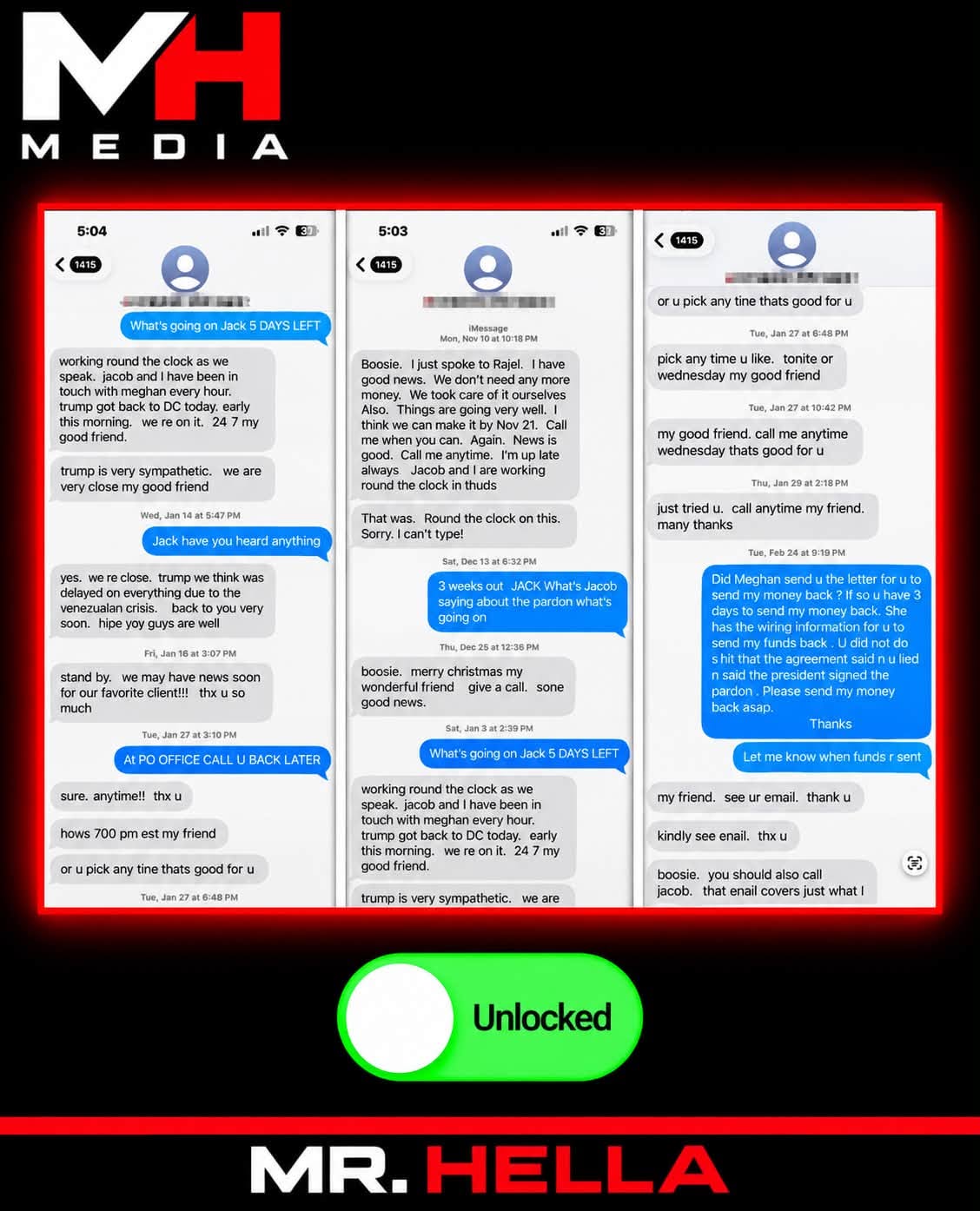
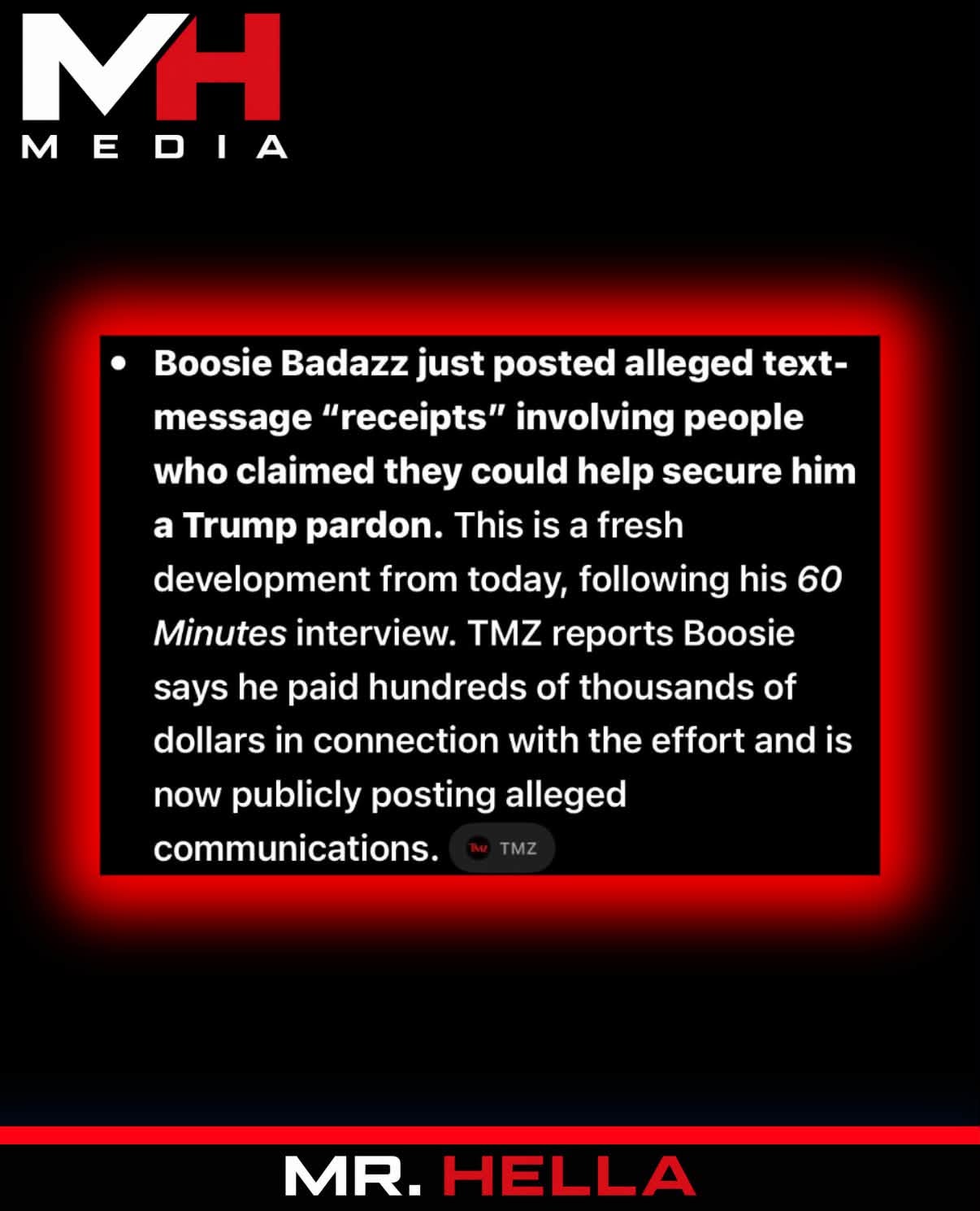
He subsequently began sharing screenshots that he said showed his communications with Burkman during the pardon effort.
The messages, which TMZ reported appeared to span from November 2025 into February 2026, included alleged assurances that work on the pardon was continuing and that Trump was sympathetic to Boosie’s situation.
Those screenshots represent Boosie’s account of the communications and should not be treated as an independent finding that a pardon was ever guaranteed by Trump or the White House.
The White House itself was not shown by CBS to have authorized Burkman and Wohl to sell pardons, and several people whose names allegedly appeared in the brokers’ communications denied participating in Boosie’s effort.
A Much Bigger Story Than Boosie
Boosie's experience was only one part of the 60 Minutes investigation.
CBS used hidden cameras to examine political intermediaries offering expensive pardon-advocacy services and claiming access to people in Trump's orbit. The investigation examined how wealthy applicants can spend large sums trying to get their cases in front of the president outside the traditional Justice Department clemency process.
Burkman and Wohl deny wrongdoing.
Their dispute with Boosie now comes down to sharply different versions of what the $600,000 was supposed to buy, what promises were actually made and whether Boosie is entitled to recover part of the money after leaving the process without a pardon.
Boosie thought appearing on 60 Minutes would give him an opportunity to explain how he ended up in that position.
Instead, after spending an hour telling CBS his story, he came away feeling like he needed to explain it all over again.
This time, he's doing it himself.
Comments