

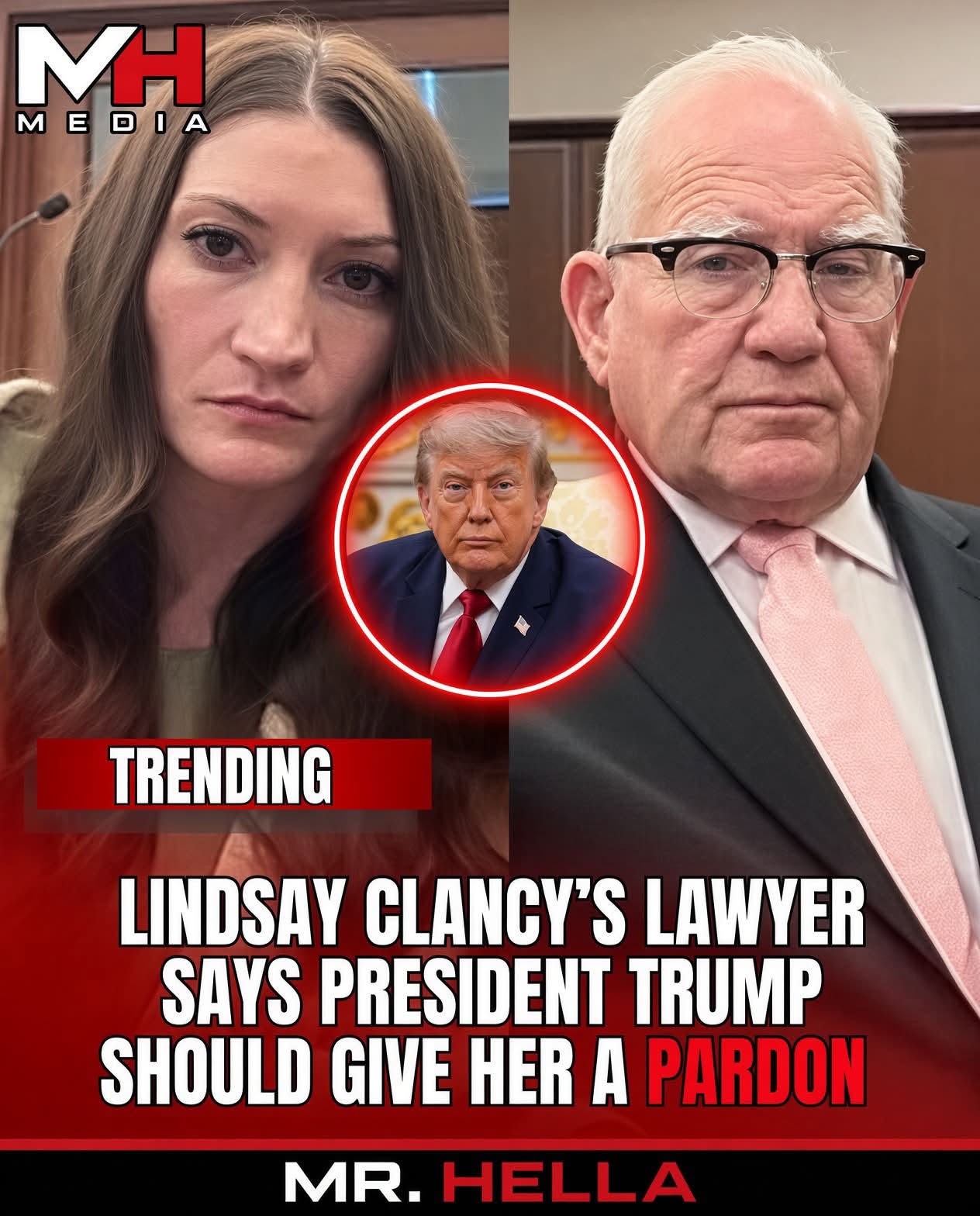
Days after Lindsay Clancy’s murder trial ended with a deadlocked jury, her defense attorney took the case directly to national television and made an extraordinary appeal to President Donald Trump: consider a pardon.
Kevin Reddington appeared on ABC’s “Good Morning America” on Tuesday, Sept. 8, following the mistrial that brought more than five weeks of testimony and nearly 40 hours of jury deliberations to an inconclusive end.
“Mr. President, I would hope that you would consider this young lady and the person she is, what she’s been through, and consider a pardon,” Reddington said.
There is, however, a fundamental legal obstacle to Reddington’s request.
Trump does not have constitutional authority to pardon Clancy on the charges she currently faces.
Clancy is being prosecuted by Massachusetts authorities on state murder charges stemming from the January 2023 deaths of her three children. Presidential pardon authority applies to federal offenses, not state crimes.
That means any direct clemency action in Clancy’s Massachusetts case would fall outside the president’s pardon power.
Still, Reddington’s public appeal adds another unusual chapter to a case that has become a national debate over postpartum mental illness, criminal responsibility and what prosecutors should do after a deeply divided jury failed to reach a verdict.
Reddington Takes His Case Directly to Trump
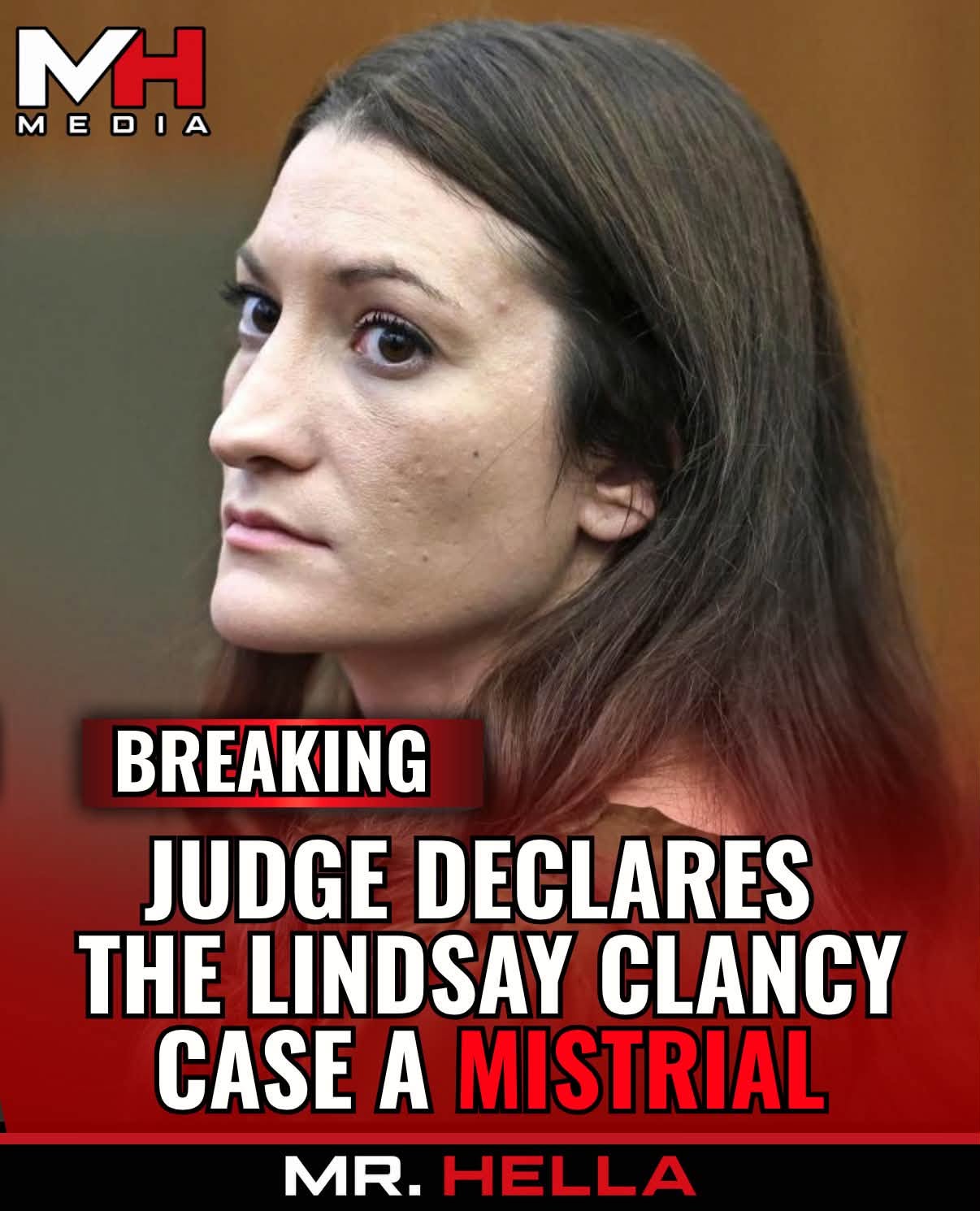
Reddington’s appeal came four days after Judge William Sullivan declared a mistrial in Plymouth Superior Court.
The jury had spent seven days and nearly 40 hours deliberating over whether Clancy should be held criminally responsible for the deaths of her children.
Clancy admitted killing 5-year-old Cora, 3-year-old Dawson and 8-month-old Callan inside the family’s Duxbury home on Jan. 24, 2023.
The central question at trial was not whether Clancy caused their deaths, but whether she was legally criminally responsible at the time.
Her defense maintained that Clancy was suffering from postpartum psychosis and was unable to appreciate the wrongfulness of her actions.
Prosecutors argued that the evidence demonstrated planning, deliberation and an understanding of what she was doing.
The jury could not unanimously resolve that question.
After seven days of deliberations, jurors informed the court that they were unable to reach a unanimous decision.
Sullivan ultimately declared a mistrial on Sept. 4.
That left the murder charges unresolved.
Clancy was neither convicted nor acquitted.
The Jury Was Split 11-1
After the trial ended, it emerged that the jury had been divided 11-1, with 11 jurors prepared to find Clancy not guilty by reason of lack of criminal responsibility and one juror disagreeing.
The holdout juror has since publicly maintained that he believed Clancy was criminally responsible and said he had no doubts about that conclusion. Other jurors have disputed aspects of his account of the deliberations.
Those deliberations became increasingly contentious before the mistrial.
Reddington had fought against ending the case without a verdict, at one point asking the judge to send jurors back for additional deliberations.
When the jury informed the court on Sept. 4 that it still could not reach unanimity, Reddington sought emergency intervention from the Massachusetts Supreme Judicial Court.
That effort was unsuccessful.
Judge Sullivan then declared the mistrial.
The result returned the case to an uncertain legal position.
Prosecutors could potentially seek another trial, while the defense has continued looking for ways to bring the prosecution to an end.
Reddington’s appeal to Trump was the most public example yet.
Trump Cannot Issue the Pardon Reddington Requested
Whatever Trump’s personal view of the case, the constitutional distinction between federal and state crimes makes the pardon request legally significant.
The president’s pardon authority does not extend to Massachusetts criminal prosecutions.
Clancy has been charged in state court, meaning Trump cannot simply issue a presidential pardon that eliminates those charges.
Reddington acknowledged the unusual nature of his appeal while also suggesting that Trump could potentially use his public influence as the case moves forward.
Plymouth County District Attorney Tim Cruz’s office is responsible for deciding whether to pursue another trial.
As of Reddington’s Sept. 8 interview, that decision had not been announced.
Judge Sullivan scheduled the parties to return to court on Sept. 29 to address the next steps.
A Case With No Final Resolution
The mistrial did not settle the central dispute that dominated Clancy’s trial.
The defense argued that the deaths occurred during an extreme psychiatric crisis caused by postpartum psychosis.
Prosecutors maintained that Clancy remained legally responsible and presented evidence they said demonstrated deliberate behavior surrounding the killings.
Jurors heard weeks of testimony from medical experts, family members, investigators and others before receiving the case.
After nearly 40 hours of deliberations, they still could not unanimously decide which interpretation satisfied Massachusetts law.
Now Reddington is attempting to prevent his client from having to go through the entire process again.
His appeal to Trump may not provide a legal route to a presidential pardon, but it has pushed the unresolved Clancy case into the national political conversation.
For the moment, the decision that matters most remains in Massachusetts.
Clancy still faces the murder charges, the mistrial did not resolve her criminal liability, and prosecutors must decide whether they intend to put her before another jury.
Comments