


The parents of Nolan Wells say they are not giving up their search for answers after a Mississippi grand jury found no credible evidence of criminal conduct in the 18-year-old’s death and concluded that the circumstances surrounding the discovery of his body were consistent with drowning.
Christine and Elmore Wonsley appeared alongside civil rights attorney Ben Crump at a press conference Tuesday, September 22, following the release of the Jackson County grand jury’s findings.
The family made clear that the grand jury’s decision has not resolved their concerns.
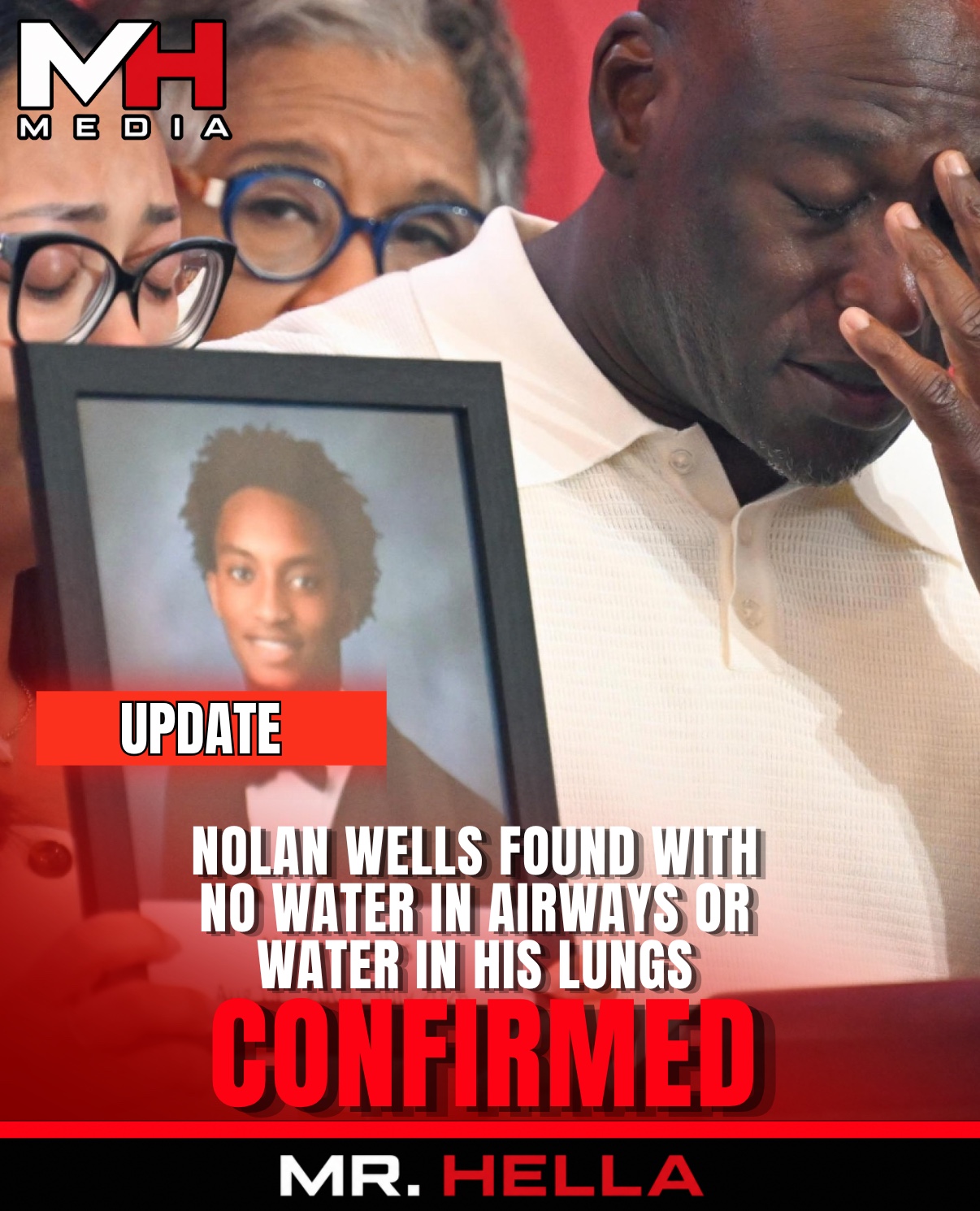
“How can a jury come to the conclusion of drowning despite knowing that there was trauma to his body and despite hearing many inconsistencies?” Christine said during the press conference. “Elmore and I do not believe that Nolan simply and accidentally drowned.”
Crump said the family is continuing to seek what it describes as an “honest, transparent, and fair” investigation and called for federal authorities to examine the case.
The family’s objections come after months of national attention surrounding what happened to Wells during a Fourth of July trip to Horn Island, a barrier island off Mississippi’s Gulf Coast.
Wells went to the island with friends on July 4 and never returned home.
His body was recovered in the water near Horn Island two days later, on July 6. The circumstances surrounding how he ended up in the water — and why he was separated from the people with whom he traveled — have remained at the center of his family’s questions.
Grand Jury Declines to Charge Anyone
The Jackson County grand jury conducted an extensive review before unanimously returning a “no true bill,” meaning it found insufficient evidence to support criminal charges.
According to the grand jury report, investigators issued 132 subpoenas and the grand jury considered information from 43 witnesses through direct testimony, sworn statements and recorded interviews.
The evidence included cellphone information, GPS data, forensic reports and videos.
After reviewing the material, the grand jury said it found no credible evidence that people who traveled to or from Horn Island with Wells engaged in criminal conduct connected to his death.
It also found no credible evidence supporting allegations that Wells’ death was racially motivated.
The grand jury further determined that the position and condition of Wells’ body, along with when and where it was discovered, were consistent with drowning.
But that finding requires an important qualification.
The grand jury did not establish drowning as Wells’ official medical cause of death.
Both the Mississippi State Medical Examiner’s examination and an independent examination conducted by a forensic pathologist retained by Wells’ family left his cause and manner of death undetermined.
The evidence, according to the grand jury, nevertheless did not rule out accidental drowning.
Wells’ Parents Say Questions Remain
That distinction is one of the reasons Wells’ parents say they cannot accept the grand jury report as the final answer.
The family has repeatedly questioned what happened between the time Wells was last seen and the discovery of his body two days later.
They have also focused on injuries identified during the examinations of his body.
The independent autopsy confirmed that red discoloration previously observed on the back of Wells’ head represented blood and corresponded with two contusions, or bruises, that had also been documented during the original examination.
The grand jury was made aware of those findings.
According to its report, however, there was no evidence of physical trauma severe enough to have caused Wells’ death.
The report also referenced testimony from a witness who said Wells had slipped awkwardly from the side of a boat earlier on July 4 but continued socializing afterward and did not appear seriously injured.
The grand jury ultimately did not find evidence connecting the bruising to criminal conduct.
For Wells’ family, however, the fact that the injuries remain unexplained is part of why they believe additional investigation is necessary.
The Family Disputes the Narrative That Nolan Chose to Stay Behind
Another major question concerns why Wells was separated from the group.
Friends have told authorities that Wells remained on Horn Island after others left because he wanted to speak with a girl and expected to return to the mainland later.
His parents have publicly questioned that account.
Elmore Wonsley previously said his son normally stayed with his group and that the decision to leave him behind did not make sense to him.
“No, he wouldn’t,” Wonsley told CBS when asked whether his son would have voluntarily remained behind. “Nolan always stays with the group.”
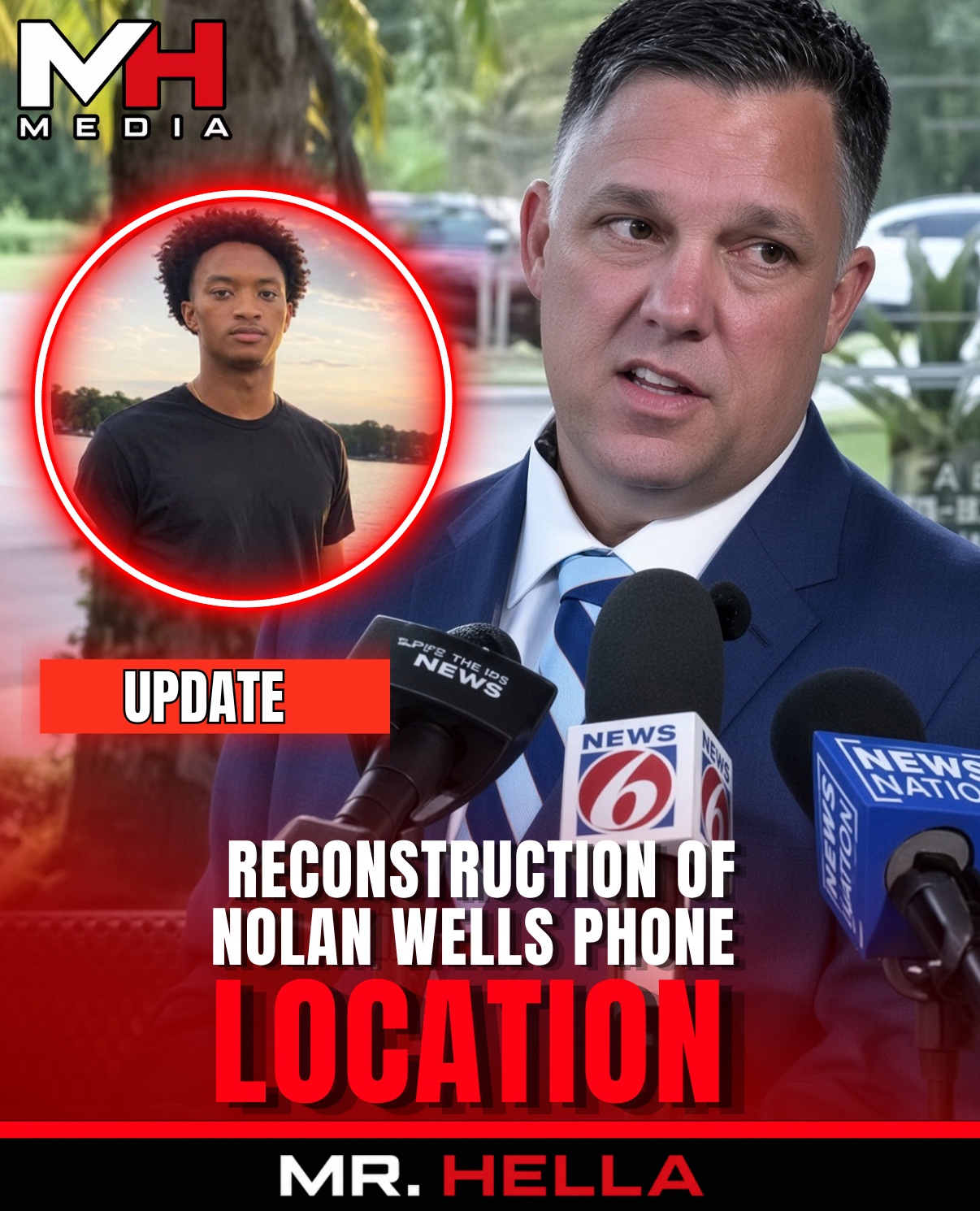
The family has also raised questions about Wells’ cellphone and how it ended up away from him after he disappeared.
Those circumstances helped fuel months of speculation surrounding Wells’ death.
The grand jury, however, said the evidence it reviewed did not substantiate public allegations that Wells’ companions were responsible for criminal wrongdoing.
That means there is now a significant divide between what investigators and the grand jury say the evidence supports and the unresolved questions Wells’ parents believe remain.
Cause of Death Remains Undetermined
Perhaps the most important technical point in the case is that “consistent with drowning” is not the same thing as a medical examiner officially ruling the death an accidental drowning.
The distinction matters because both forensic examinations were unable to establish a definitive cause and manner of death.
The independent forensic pathologist retained by Wells’ family previously explained that drowning can be a diagnosis of exclusion, meaning investigators must consider and eliminate other potential causes before reaching that conclusion.
The independent examination also had limitations because it was conducted after the initial autopsy and after decomposition had occurred.
The grand jury nevertheless concluded that the available evidence was compatible with drowning and that there was no credible evidence establishing that another person criminally caused Wells’ death.
Those findings were sufficient for the jury to decline criminal indictments.
They were not sufficient to give Wells’ parents the answer they say they need.
Ben Crump Calls for Investigation to Continue
Crump argued Tuesday that the absence of an indictment should not mean the end of efforts to determine exactly what happened.
“The grand jury left us with questions,” he said.
Crump and the family are calling for additional scrutiny, including federal involvement.
Their position is that unresolved issues — including Wells’ injuries and the circumstances surrounding his separation from his friends — warrant further examination even if the evidence presented to the Mississippi grand jury did not support criminal charges.
Calls for federal scrutiny had already extended beyond the family.
Members of the Congressional Black Caucus previously asked federal authorities to conduct an independent review of Wells’ death as public attention surrounding the case intensified.
No federal finding establishing foul play has been announced.
District Attorney Defends the Investigation
Jackson County District Attorney Angel Myers McIlrath has defended the investigation and pushed back against allegations that authorities ignored evidence or failed to adequately examine whether a crime occurred.
McIlrath said the grand jury reviewed extensive evidence and found nothing supporting allegations of racially motivated criminal conduct.
The prosecutor has also stressed that the grand jury’s decision does not prevent the case from being revisited if meaningful new evidence emerges.
The report specifically leaves that possibility open, stating that if credible evidence suggesting Wells’ death was non-accidental surfaces in the future, the matter should be presented to a Jackson County grand jury again.
That makes the current outcome significant but not necessarily irreversible.
No one has been indicted.
No credible evidence of criminal conduct was found by the grand jury.
But authorities have not produced a definitive medical cause of death.
Two Different Questions
The case now rests on a distinction that can easily become lost in the public discussion.
One question is whether prosecutors currently possess evidence sufficient to charge someone with a crime.
The grand jury’s answer was no.
A different question is whether anyone can definitively explain exactly how Nolan Wells died.
That answer also remains no.
The grand jury found circumstances consistent with drowning and no credible evidence of foul play, but both forensic examinations left the medical cause and manner of death undetermined.
For prosecutors, that evidence did not justify indicting anyone.
For Nolan’s parents, it does not provide closure.
“This is not over,” the family and its legal team made clear Tuesday as they renewed their push for further investigation.
Until additional evidence emerges, those two realities will continue to exist side by side: a grand jury has found no basis for criminal charges, while the precise medical explanation for Nolan Wells’ death remains officially undetermined.

Comments